

May an Imprisoned Parent Have Child Visitation Rights in California?

May an Imprisoned Parent Have Child Visitation Rights in California?

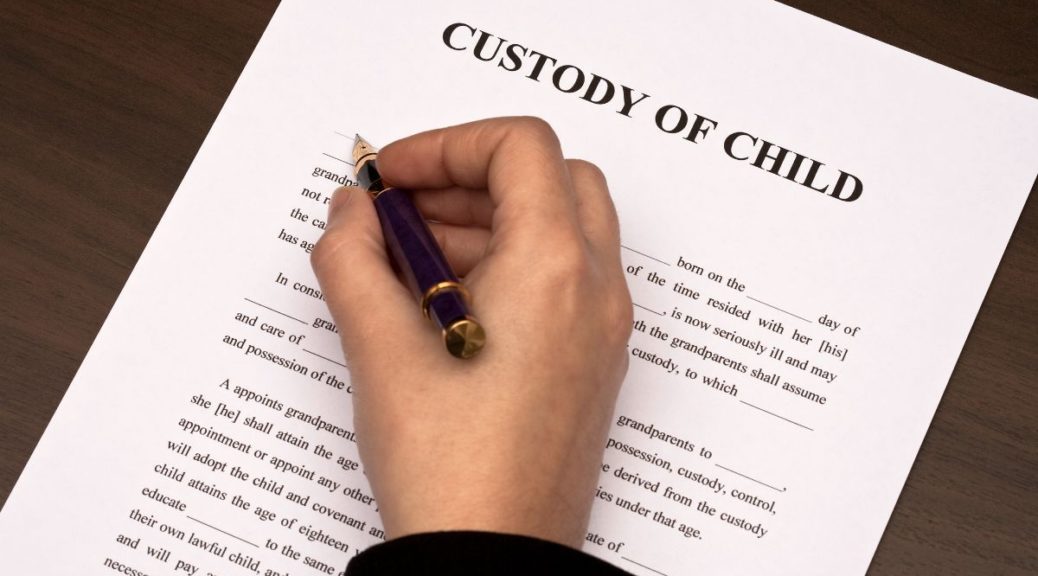
Almost 200,000 kids in California have a parent in jail. This can create complex parenting and custody issues. One of the thorniest problems can be child visitation rights for the incarcerated parent. The parent’s crimes, existing relationship with the child and other parent, and the attitude of the Family Court all have an impact on decisions.

Under California law, any solution must ensure the child’s best interests. This means there can be many options and solutions. Family Law Attorney Judy L. Burger examines the question, “May an imprisoned parent have child visitation rights in California?”

Fast Facts About CA Child Custody and Incarceration

Although there are thousands of families with an incarcerated parent, there is much confusion surrounding this issue. Here are some fast facts about the topic:

  1. Incarceration does not automatically terminate your parenting rights. This can only happen in a limited number of situations.
  2. Imprisonment in California is not automatically considered abandonment of a child as it is in a few other states.
  3. Child custody and parental rights are different issues. The other parent or a grandparent may be granted custodial care of your child while you are in jail, but this does not surrender your parental rights.
  4. Incarceration does not abrogate you from your child support obligations. Making child support payments can help prove you have not abandoned your child and take your parental responsibilities seriously.
  5. You are still entitled to be present in any hearing regarding your parental rights and the matters relating to your child while in prison.  

Child Visitation Rights for CA Inmates

A Family Court may determine that the child’s best interests are met by granting visitation rights to an incarcerated parent. If so, there will likely be stringent guidelines to ensure the child’s safety and well-being. A California Family Law Attorney like Judy L. Burger can help the inmate negotiate the best possible conditions for visiting with their child.

A new law in California takes effect on January 1, 2024, to make it easier for incarcerated parents to obtain visitation rights with their children. The Keep Families Close Act now allows incarcerated parents to request a transfer to a facility near their families. Since 2019 data from the CDCR revealed that over 75% of incarcerated persons are located over 100 miles from their homes, this legislation is a welcome boon for inmates.

According to California Department of Correction and Rehabilitation (CDCR) data from 2019, over 75% of people in prisons are incarcerated more than 100 miles away from their homes  According to CDCR data from 2019, over 75% of people in prisons are incarcerated over 100 miles away from their homes. Parents who committed crimes against their child or other serious crimes are exempted.

Moreover, the Family Dignity Act will make the visitation process for families simpler by adopting digital technology. Families will now be able to scan and upload birth certificates so they can be digitally retrieved on each visit and not have to be brought every time.

Help with Child Custody, Support, and Visitation Matters in California

Child custody, support, and visitation issues with an incarcerated parent can be difficult and many factors can impact the court’s decisions. A parent sentenced to prison, currently in prison, or about to be released from prison will need counsel and representation from a CA Family Law Attorney. Similarly, the custodial parent or guardian of the child will need advice and representation to ensure the child’s best interests are ensured.

Certified Family Law Specialist Judy L. Burger and her team understand the specific challenges relating to an incarcerated parent and their family. We can help you work out the best arrangements for your family’s welfare and happiness during any phase of the parent’s jail tenure. Contact the Law Offices of Judy L. Burger by phone or online to request a confidential consultation.


Emergency Child Custody Issues in California

Emergency Child Custody Issues in California

Petitions for changes in child custody agreements can be filed with the court when circumstances change and new arrangements are needed. These requests are scheduled for the next available hearing on the family court’s calendar. However, an ex parte petition can be filed immediately when you encounter emergency child custody issues in California

Under California law, Family Code 3064 allows the court to temporarily grant an emergency change in custody without waiting on a full hearing under certain circumstances. This is a short-term solution to protect the safety and welfare of the child while more permanent arrangements are examined. Ex parte orders can influence any final custodial orders issued by the court.

When would such actions be necessary? CA Certified Family Law Specialist Judy L. Burger reviews some possible scenarios when emergency child custody issues can be handled through ex parte hearings. She can explain more and review your situation thoroughly in a confidential consultation at one of our offices.

What Justifies An Emergency Child Custody Petition?

California Family Courts typically allow at least a 15-day notice to involved parties before scheduling a hearing about child custody matters. However, when a true emergency threatens a child’s health and safety, the court can issue immediate orders to prevent harmful actions. Ex parte orders, sometimes called “emergency orders,” may be granted in select situations, including:

  • Child abuse
  • Sexual abuse
  • Neglect
  • Domestic violence
  • A parent’s physical or mental health condition
  • A parent’s arrest for drug use, drunk driving, or another serious crime
  • A sex offender in the home

Your request for an emergency child custody order must include definite evidence that such conditions exist and are a direct threat to the child. Heresy or opinions are not sufficient grounds for the court to immediately remove a child from another parent’s custody. Credible witnesses, photos, videos, text messages, or police reports are solid proof that the child is in danger and emergency orders are necessary to protect the child’s interests.

How Do I Request an Emergency Child Custody Action in CA?

​In addition to demonstrating a clear and imminent danger to the child’s welfare, you must provide several other items of information in your ex parte petition. These include the following:

  • Legal request form
  • Identity and contact information for the other parent and/or their attorneys
  • Current child custody, visitation, and support orders
  • Any previous requests or orders on this or similar matters
  • Reasons why the other parent should not be notified

Remember, you must provide sufficient evidence demonstrating the harm that could be suffered without the requested emergency custody orders. This is also a temporary solution. A formal hearing with both parents may be scheduled for a later date and other orders may be issued as a result.

It is critical that you adhere to California law in all matters relating to your child and custody matters. Emotional reactions to protect your child that violate the law or existing custody orders can complicate your case. Making decisions under stress can place you on the wrong side of the law.

Contact a California Certified Family Law Specialist to Help You Protect Your Children

Consult with CA Family Law Attorney Judy L. Burger immediately if you suspect an emergency custody action is necessary. She can act quickly to file an ex parte hearing petition and the necessary paperwork while helping you gather the required evidence to support your request. As a Certified Family Law Specialist in California, she can help you follow the law and protect your child.

Ms. Burger is not intimidated by difficult or high-conflict custody matters. She firmly believes that children must be protected from abusive, inappropriate, or other dangerous behavior and actions by parents or others. The Law Offices of Judy L. Burger will not rest until your child is safe. We will also work with you to completely resolve this matter in the best interests of your child and family.

Contact one of our eight offices in California today to discuss emergency child custody issues with a Certified Family Law Specialist who is on your side.

Is 50/50 the Best Custody Option for my Kids?

Is 50/50 the Best Custody Option for my Kids?

When parents divorce, one of the most important decisions they will make is how they will share physical custody of their kids. In some cases, parents may want to divide their time equally or “50/50.” This may seem like an equitable and logical choice. However, if you are considering this type of arrangement, you will want to know: Is 50/50 the best custody option for my kids? Continue reading

5 Ways You Can Help Your Kids During Divorce

5 Ways You Can Help Your Kids During Divorce

Divorce can be a stressful and painful experience for everyone involved, but it can be especially hard on children. As a parent, you will want to do everything you can to protect your kids during this difficult time. While you probably won’t be able to completely insulate your children from your divorce, there are measures you can take to support them during the process. Here are 5 ways you can help your kids during divorce: Continue reading

Do I Need the "Right of First Refusal" in My Custody Order?

Do I Need the “Right of First Refusal” in My Custody Order?

During divorce, parents often establish a schedule that sets out how they will spend time with their kids. Generally, the expectation is that custodial parents will be with their children during their designated care periods. However, there can be situations when a parent may need to leave their children with someone else. Depending on the circumstances, you may or may not be comfortable with a third party watching your kids when your ex is away. If that is the case, you may want to consider adding the “Right of First Refusal” to your California parenting agreement. If you have not heard of this term, you may be wondering: Do I need the “right of first refusal” in my custody order? Continue reading

What is the Role of a Guardian Ad Litem in a California Child Custody Case?

What is the Role of a Guardian Ad Litem in a California Child Custody Case?

Keeping perspective during divorce can be challenging, especially when parents are fighting over child custody. Sometimes, when parents get very angry with one another, they may inadvertently say and do things that negatively impact their kids. In this situation, a California family court may determine that a Guardian ad Litem (minor’s counsel) needs to be appointed to provide the court with insight into the child’s situation. If you have a disputed California custody matter involving a Guardian ad Litem, you will want to know: What is the role of a Guardian ad Litem in a California child custody case? Continue reading

What Does the “Best Interest of the Child” Mean in a California Custody Case?

What Does the “Best Interest of the Child” Mean in a California Custody Case?

When a California court needs to make decisions regarding child custody, the judge will consider multiple aspects of the child’s life. Ultimately, what the court decides or the parties agree to must be in the child’s best interest. If you are involved in a California divorce or other child-related case, you may be wondering: What does the “Best Interest of the Child” mean in a California custody case? Continue reading

Key Elements to Include in Your Parenting Plan

Key Elements to Include in Your Parenting Plan


Going through a divorce with minor children will involve you and your ex making several decisions about their future care. Ultimately, how you share decision-making and time with your kids will become part of a court-ordered parenting plan that you and your ex will be required to follow. Often parents will negotiate and develop their own plan terms rather than leaving decisions about their family up to the court. When they can’t agree, each parent can ask the court to grant their request for their preferred parenting plan terms. Therefore, it will be crucial to know which terms you need in your parenting plan as you proceed through your case. Here is more on the key elements to include in your parenting plan. Continue reading

You Might Need an Emergency Child Custody Order

You Might Need an Emergency Child Custody Order

Ava loved the fact that her husband, Henri, was from France. She felt their son could benefit from being involved in more than one culture. However, her enthusiasm faded when Henri filed for divorce. She feared he would take their son to France where he might live beyond the control of California courts. Liam faced a problem a little closer to home. He learned that his wife was partying in clubs all night while their two-year-old daughter slept in the car. Liam has also noticed unexplained bruises on his little girl. Fearing for his daughter’s safety, he looked to the court system. Both Ava and Liam may need the same protection: an emergency child custody order.

Child Custody and the Divorce Process

Who gets the children is often a hot topic during a divorce. The hope is that parents will do what is best for their children, but this is not always the case.

During a divorce, parents work out a parenting plan, and custody is decided. If parents can’t agree, a judge will assign custody. Of course, negotiating a plan takes times. Sometimes one parent may have to move quickly to protect his or her children.

Grounds for Requesting an Emergency Child Custody Order

It can be difficult to get this kind of order. While California judges always focus on the best interests of the child, they also cannot hand out emergency orders for no reason.

The primary reason for requesting an emergency child custody order is:

“A situation has occurred, or may occur, where it is in the best interest of the child that the court make immediate orders.”

In Ava’s case, she needs to stop her husband from spiriting their son out of the country. Liam needs to stop his wife from neglecting or abusing their child. Neither situation can wait, so they ask for emergency child custody orders. The court may grant each a temporary order that takes effect immediately. However, the court will schedule a hearing before granting a more permanent order.

Call Immediately if You Need an Emergency Child Custody Order

The attorneys at the Law Offices of Judy L. Burger are experienced at all phases of divorce proceedings, including ex parte hearings and emergency child custody orders.

Judy Burger is a California Certified Family Law Specialist, and founder of the Law Offices of Judy L. Burger. Please call our offices at 415-293-8314 to set up an appointment with one of our attorneys. We assist clients along the Northern to Central California Coast.
The Impact of Extracurricular Activities on Visitation

The Impact of Extracurricular Activities on Visitation

Between Jiu-jitsu, football, and violin lessons, some parents may spend hours every week taking their children to extracurricular activities. The job is even more difficult for divorced parents who may struggle to meet the requirements of their parenting agreement. Parents may disagree on the scheduling of activities, the cost, or even just the type of activity. One parent may feel their child should be in a sports program, while the other leans toward robotics or coding. But how important are these activities? Will extracurricular activities affect visitation for children of divorced parents?

Extracurricular Activities Are Important

Little League, Girl Scouts, and chess club are fun activities that also provide some crucial benefits, including:

  • Better academic performance,
  • Higher self-esteem,
  • Improved social skills,
  • Goalsetting,
  • Teamwork,
  • Problem-solving and sharper analytical skills, and
  • More impressive college applications.

However, coordinating math club or gymnastics with an ex-spouse is sometimes not easy.

Time with Your Parents Is Important, Too

How will one parent feel when the other parent schedules an extracurricular activity during their visitation time? Typically, the parent who has custody of the child at the time takes the child to scheduled activities. Problems can arise, especially when ‘fun’ activities’ coincide with a parent’s work or activity schedule. Sometimes a parent feels the activity is not important in their child’s life.

Some of these difficulties can be ironed out in one important divorce document: the parenting plan.

Custody, Visitation, and Parenting Agreements

The type of custody arrangement reached in divorce affects school and extracurricular activities. In a California divorce, custody falls into several categories:

  • Physical Custody has to do with where the child lives. Joint physical custody means the child lives with both parents. However, sole or primary custody means that the child lives with one parent and visits the other parent.
  • Legal Custody relates to the important decisions that parents make for their children. Parents with joint legal custody share the right to make decisions about the children. However, a parent with sole legal custody handles decision-making on their own.

Does one parent have sole legal custody of the children? If so, that parent has the final say on extracurricular activities. However, the non-custodial parent can object or ask for changes to the parenting agreement or visitation schedule.

What Impact Extracurricular Activities Have on Visitation Depends

If parents amicably agree on the when and how of extracurriculars, they can avoid having a judge make decisions for them.

The attorneys at the Law Offices of Judy L. Burger are experienced at all phases of divorce, child custody, and child visitation. Call us at 415-293-8314 to schedule a private appointment or visit our website. We maintain offices in San Francisco, Beverly Hills, Marin County, Santa Barbara, Ventura/Oxnard, San Jose, Gold River (Sacramento), and surrounding communities.