

Category Archives: California Divorce

Default Divorce and Property Division

Default Divorce and Property Division

In California, a default divorce occurs when one spouse files for divorce and the other fails to respond or participate in the proceedings. This situation can arise for various reasons, including lack of communication, avoidance of the divorce process, or even ignorance of the filings.

Certified California Family Law Specialist Judy L. Burger believes both parties should understand the implications of a default divorce, as it can significantly affect property division and other legal matters.

Reviewing the Default Divorce Process

When one spouse initiates the divorce process by filing a petition with the court, they must serve the other spouse with divorce papers. Once served in California, the recipient has 30 days to respond. If the non-filing spouse does not respond within this period, the court can proceed with the divorce and may grant a default judgment. This means the filing spouse can request the court to rule in their favor without input from the non-responsive spouse.

Property Division in Default Divorce

California is a community property state, meaning that nearly all property acquired during the marriage is considered joint property and is subject to equal division upon divorce. In cases of a default divorce, the court may divide property based on the information provided by the filing spouse.

This includes a Request to Enter Default (form FL-165) formally asking the court for a default divorce because your spouse didn’t respond.

You may also need to submit a Property Declaration (form FL-160) that informs the court about the community property you share with your spouse and how you want it divided.

  • Community Property: This includes all assets and debts acquired during the marriage, such as income, homes, and joint bank accounts. Community property is typically divided equally between both spouses.
  • Separate Property: This includes assets one spouse owned before the marriage, gifts or inheritances received during the marriage, and anything specifically designated as separate property in a prenuptial agreement. Separate property is not subject to division in a divorce.

In a default divorce scenario, the court relies heavily on the accuracy and completeness of the information provided by the responding spouse. If the filing spouse fails to disclose certain assets or debts, the court may unknowingly grant a division that does not reflect an equitable outcome. This emphasizes the importance of thorough documentation and honesty during the divorce process.

A default judgment can result in unintended outcomes. For instance, the non-responding spouse may ultimately lose rights to certain community assets or may not receive fair consideration of their financial contributions to the marriage.

NOTE: A default divorce does not automatically forfeit rights; the non-responding spouse still has legal options, such as filing a motion to set aside the default judgment within a certain period.

Protect Your Rights

If you find yourself in a situation involving a default divorce, it’s vital to seek legal advice as soon as possible. Judy Burger is an experienced family law attorney who can provide insights into your rights and options. She can help you understand your legal standing and whether it is beneficial to contest the default judgment.

  • Document Assets and Liabilities: If you believe you are at risk of a default judgment, gathering an accurate account of all community and separate property will be invaluable in negotiations and court proceedings.
  • Respond to Divorce Papers: If you have been served with divorce papers, it’s critical to respond promptly within the timeframe provided. If you have concerns about the divorce or property division, discuss your options with attorney Judy Burger; she can help you negotiate a fair outcome.

Get Help with a Default Divorce and Property Division

Default divorce can present significant challenges for both parties, particularly regarding property division. Property Division Attorney Judy L. Burger can help you understand California’s community property laws and the implications of a default judgment so you can protect your rights in the divorce process.

If you are facing a divorce, whether you are the filing party or the one served, contact The Law Offices of Judy L. Burger. We have eight locations throughout California, and we can guide you through the complexities of divorce to ensure a fair resolution.


 

What If My Child Support Isn’t Enough?

What If My Child Support Isn’t Enough?

Divorce and separation can be challenging not only emotionally but also financially, especially when children are involved. Child support is designed to help cover a child’s basic needs, including food, clothing, and education. However, there may be situations where the support received isn’t adequate to meet a child’s needs.

Certified CA Family Law Specialist Judy L. Burger wants you to understand your options and the steps you can take if you find yourself in this position

Understanding Child Support

In California, child support is typically calculated using a specific formula that considers both parents’ incomes, the amount of time each parent spends with the child, and any special needs the child may have. The formula aims to ensure that children continue to receive financial support from both parents, even after separation or divorce. However, what happens when that support isn’t enough? Here is how you can assess your situation:

  1. Review the Support Order: Review your current child support agreement closely. Determine if the support amount reflects the child’s actual needs and living costs. What might seem sufficient on paper may not be enough when considering a child’s growing needs, especially as they age and their expenses increase.
  2. Consider Changes in Circumstances: Changes in your financial situation or your child’s needs can affect the current support amount. For instance, if you’ve lost your job, had an unexpected medical expense, or your child has developed new needs (like tutoring or special activities), these factors should be considered.

What Can You Do to Address Insufficient Child Support?

2020–2022 data in the KIDS COUNT® Data Cen­ter reveal that just 23% of U.S. female-head­ed fam­i­lies report­ed receiv­ing any amount of child support dur­ing the pre­vi­ous year. Family law attorney Judy Burger can clarify your options if you are not receiving adequate child support payments. She can help you navigate the legal process, understand your rights, and represent you in court if necessary.

  1. Request a Child Support Modification: If circumstances have significantly changed since the initial support order was established, you may petition the court to modify child support. This often involves documenting your current income, expenses, and your child’s needs. CA child custody attorney Judy Burger can help you understand the process and increase your chances of success.
  2. Gather Documentation and Evidence: When seeking to modify support, gather evidence that supports your claim. This may include:
  • Recent pay stubs or tax returns
  • Receipts or invoices for child-related expenses (like medical bills, educational costs, or extracurricular activities)
  • A budget showing the financial strain due to the support received
  1. Negotiate with the Other Parent: Open communication with the other parent can sometimes lead to informal agreements regarding additional support. While this is not a legal route, it can be beneficial if both parents are willing to cooperate for the child’s best interest. Documenting any agreements made is essential, as they can help in future legal proceedings if needed.
  2. Seek Additional Financial Aid: If child support isn’t sufficient, consider looking into other resources to assist with child-related expenses. This could include government programs, scholarships for educational costs, or community organizations that provide financial assistance.

If you find that your child support isn’t enough, remember that you have options. It’s important not to lose hope—there are pathways you can pursue to ensure your child’s needs are adequately met. Whether it’s seeking a modification of your support order, negotiating with the other parent, or accessing additional resources, proactive steps can lead to a more secure financial situation for your family.

California Child Support Attorney

Reach out to California Child Support Attorney Judy L. Burger for personalized advice and support in navigating child support issues. She has considerable experience helping single parents protect their rights and advocate for their children’s well-being. Call 415-293-8314 or contact one of our eight offices directly online or by phone.


Joint Bank Accounts and Divorce

Joint Bank Accounts and Divorce

Divorce can be a complex and emotional process, especially when it comes to finances. One important aspect that many couples need to address during a divorce is the status of their joint bank accounts. Understanding the implications of joint accounts can help ensure a smoother transition for both parties. Certified California Family Law Specialist Judy L. Burger reviews this issue and offers some guidance.

Understanding Joint Bank Accounts

A joint bank account is a financial account shared by two or more individuals. This type of account enables both parties to deposit, withdraw, and manage funds. While joint accounts can simplify finances during marriage, they can lead to complications during divorce.

Here are some critical factors to remember regarding divorce and joint bank accounts:

  • Ownership of Funds: California follows community property laws, so most assets and debts acquired during the marriage are considered community property. This means both spouses typically have equal rights to the funds in a joint account, regardless of who initially deposited the money.
  • Access to Accounts: Upon filing for divorce, it is essential to understand that both parties generally retain access to joint bank accounts until a court order dictates otherwise. This can lead to potential conflicts, particularly if one spouse withdraws a significant amount of money. To mitigate this risk, closing joint accounts or agreeing on a set amount each party can withdraw may be advisable.
  • Financial Records: Accurate financial records of transactions from joint accounts are important. This documentation can be crucial during the divorce process, especially when determining the division of assets. Consider keeping copies of bank statements and transaction receipts.
  • Risk of Seizure: Funds in a joint account may be subject to seizure by the government to fulfill any outstanding obligations. This can include back taxes, child support payments, or other court-ordered garnishments.

You should note that these factors do not just apply to bank checking and savings accounts. They also apply to joint investment, retirement, and other accounts. Get more advice about joint financial accounts from Certified Family Law Specialist Judy L. Burger before your divorce.

Steps to Take When Navigating Joint Accounts in Divorce

Don’t wait until divorce proceedings are underway or disagreements arise before considering how to handle marital assets. CA Property Division Attorney Judy Burger offers the following recommendations:

  1. Communicate: If possible, communicate clearly with your spouse about the handling of joint accounts. Establishing open lines of communication can help reduce misunderstandings and conflicts during the divorce process.
  2. Open Separate Accounts: If you haven’t done so already, it may be wise to open individual bank accounts. This allows you to establish financial independence and manage your funds separately from your spouse moving forward.
  3. Seek Legal Guidance: Consulting with CA Divorce Attorney Judy L. Burger can clarify your rights regarding joint accounts. She can guide you through the process and help ensure that your interests are protected.

When dividing joint accounts during divorce, the court typically aims for an equitable distribution of community property. This can include splitting the funds into joint bank accounts and determining how any debts associated with these accounts will be handled. However, this is not as straightforward as it sounds. Some funds in the joint account may not be community property, and a spouse may request that those funds be separated and given to them.

Property Divisions with Joint Bank Accounts

Navigating joint bank accounts during a divorce can be challenging. Being informed about your rights and responsibilities is crucial. You can better manage the complexities of joint accounts during your divorce by communicating openly with your spouse, maintaining thorough financial records, and seeking professional advice.

If you are facing a divorce and need assistance with financial matters, reach out to CA Divorce and Property Division Attorney Judy L. Burger. She can provide the support and guidance necessary to protect your financial interests during this transitional period. Contact one of our eight California offices directly by phone or request a consultation through our contact form.


Understanding Joint Legal Custody

Understanding Joint Legal Custody

In California, joint legal custody is an important aspect of family law, particularly in cases of divorce or separation involving children. CA Certified Family Law Specialist Judy L. Burger wants parents to understand how joint legal custody works so they can make informed decisions about their rights and responsibilities regarding their children’s upbringing.

What is Joint Legal Custody?

The Superior Court of California in San Diego County states, “Joint legal custody means that both parents will share the right and the responsibility to make the decisions relating to the health, education, and welfare of the child.”

This includes decisions about education, health care, religious upbringing, and general well-being. In this arrangement, both parents stay actively involved in their child’s life, even if the child primarily resides with one parent.

The Legal Framework in California

California family law encourages shared parenting and recognizes the importance of both parents in a child’s life. The state typically prefers joint legal custody arrangements unless evidence indicates that one parent is unfit or that joint custody is not in the child’s best interest. Some common joint legal custody arrangements include:

  • Joint legal custody, but primary physical custody is given to one parent, and the non-custodial parent has parenting time on alternate weekends.
  • Joint legal custody and shared physical custody. Both parents alternate days of the week and weekends with the child.
  • Joint legal and joint physical custody, and the parents alternate week on, week off.  This tends to work better for older children as they do not see the other parent for a whole week.  

An experienced California Child Custody Lawyer like Judy Burger can help parents create the best parenting plan possible that reflects joint legal custody and shared physical custody responsibilities.

Key Aspects of Joint Legal Custody

Understanding joint legal custody requires addressing and embracing some critical factors.

  1. Decision-Making Authority: Joint legal custody allows both parents to have a say in significant decisions. This means both parents must communicate and collaborate on schooling choices, medical treatments, and extracurricular activities.
  2. Communication is Essential: Communication between parents is crucial for a successful joint legal custody arrangement. Regular discussions and updates about the child’s development and needs can help avoid conflicts.
  3. Best Interest of the Child: California courts prioritize the child’s best interest when determining custody arrangements. Factors considered include the child’s age, health, emotional ties to each parent, and the parents’ ability to cooperate in raising the child.
  4. Modification of Custody Arrangements: Circumstances can change, and sometimes a modification of custody arrangements is necessary. If one parent believes the joint custody setup no longer serves the child’s best interests, they can petition the court for a review.

Navigating Challenges

Married spouses have joint custody of their children under the law until a court-ordered custody order is in effect. Unmarried mothers have sole physical custody of their children until the father legally establishes paternity. Court-issued custody orders grant certain rights according to the circumstances.

While joint legal custody has many benefits, it can also present challenges, particularly if parents have a contentious relationship. Disagreements may arise about crucial decisions, and handling these disputes constructively is vital. Certified CA Family Law Specialist Judy Burger can help facilitate communication and negotiations between parents, aiming for solutions prioritizing the child’s needs.

CA Child Custody Attorney

Joint legal custody in California fosters a collaborative approach to parenting after separation or divorce. By ensuring both parents remain involved in their child’s upbringing, it provides stability and continuity in the child’s life. Understanding the intricacies of joint legal custody can empower parents to work together, ultimately benefiting their child’s overall well-being.

If you’re navigating custody issues, seek legal advice from CA Child Custody Attorney Judy L. Burger to ensure that your rights and those of your child are fully protected. Contact one of our eight California offices directly by phone or request a consultation by completing the contact form.


How Can Temporary Orders Affect a Property Division?

How Can Temporary Orders Affect a Property Division?

Temporary orders are court-issued directives that are put in place to govern certain aspects of the divorce until a final settlement is reached. Don’t underestimate their importance – they significantly impact your immediate future and can influence the final decisions on your divorce. How do temporary orders affect a property division? CA Certified Family Law Specialist Judy L. Burger shares some vital insights.

What Are Temporary Orders?

Temporary orders can significantly impact property division during divorce proceedings. These orders may cover a wide range of issues, including child custody, spousal support, and the use of marital assets.

When a couple separates, a judge has the authority to issue temporary orders, also called “pendente lite” or “PL orders.” These orders can address any significant issues that the couple needs a court order for during the divorce proceedings. Temporary orders enable the couple to live separately and begin dividing their marital assets before the final divorce decree is issued.

Because family law cases typically progress in stages, temporary orders are issued during the intermediate steps between the start of the case and the final order. These temporary orders may become part of the final order or be included as attachments.

Temporary Property Division Orders

Temporary orders can affect the distribution of assets and debts in several ways regarding property division.

  1. Use of Marital Assets: Temporary orders may dictate how marital assets, such as the family home, vehicles, and bank accounts, will be used during the divorce process. For example, the court may decide which spouse gets to remain in the marital home or how joint bank accounts are to be managed while the divorce is pending. Consequently, it would be best to consider whether it’s a good idea to allow your spouse to have the house as part of a temporary order while you move out. This is because courts may consider the current living arrangements when making a final decision.
  2. Financial Support: Temporary orders can also address financial support during the divorce proceedings. This may include temporary spousal support or an order for one spouse to contribute to the other’s living expenses. These financial arrangements can impact the funds available for property division once the divorce is finalized.
  3. Debt Responsibility: Temporary orders may allocate responsibility for paying marital debts while the divorce is ongoing. This can affect each spouse’s financial standing and ability to take on additional debt or acquire assets during divorce.
  4. Asset Preservation: In some cases, temporary orders may include directives to preserve certain assets during the divorce proceedings. This can be particularly important for high-value assets, business interests, or investments that require protection until a final property division is determined.
  5. Impact on Final Settlement: It’s important to note that the decisions made in temporary orders can influence the final property division settlement. For example, if one spouse exclusively uses the marital home during the divorce, this may be considered when determining how other assets are divided.

Get Help with Temporary Orders in Your CA Divorce Property Division

It’s crucial for individuals going through a divorce to understand the implications of temporary orders on property division. Consulting with a highly qualified family law attorney like Judy Burger can provide clarity on how temporary orders may impact the division of assets and debts. Her experienced legal guidance can help individuals navigate the complexities of temporary orders and work towards a fair and equitable property division settlement.

Temporary orders play a significant role in shaping the property division process during a divorce. Understanding how these orders impact the use of marital assets, financial support, debt responsibility, asset preservation, and the final settlement is essential for individuals seeking a fair outcome in property division. Judy Burger can provide valuable support and guidance in navigating the complexities of temporary orders and their implications for property division.

To schedule a consultation, contact us at the nearest office in Gold River, San Francisco, Silicon Valley, Beverly Hills, San Diego, Ventura, San Rafael, or Santa Barbara.

Preparing for Life with Shared Child Custody

Preparing for Life with Shared Child Custody

Shared child custody is a significant aspect of family law in California, and it’s crucial to be well-prepared for this arrangement to ensure the well-being of your children. When parents separate or divorce, shared custody can provide stability and continuity for the children’s upbringing. Certified Family Law Specialist Judy L. Burger shares some essential considerations to prepare for life with shared child custody in California.

Understanding Shared Child Custody

Shared child custody, also known as joint physical custody, involves both parents sharing significant and roughly equal amounts of time with their children. This arrangement aims to ensure that both parents play an active role in raising and caring for their children.

Shared physical custody is not the same as shared legal custody. In shared legal custody, both parents share the rights and responsibilities for making important decisions about the children. Sharing physical custody means that both parents create a working arrangement where the children live with each parent some of the time.

While the courts operate on a general 50-50 basis, parents must decide what works best for their family. Child Custody Attorney Judy Burger can help you create the most feasible arrangement. Here is how she can help:

Create a Co-Parenting Plan

Developing a comprehensive co-parenting plan is essential for shared child custody. The plan should outline the specific schedules for when the children will be with each parent, including weekdays, weekends, holidays, and school breaks. It should also address decision-making responsibilities regarding the children’s education, healthcare, and extracurricular activities.

Promote Effective Communication

Effective communication between co-parents is vital for the success of shared child custody. Open and respectful communication can help in coordinating schedules, addressing concerns about the children, and making important decisions together. Utilizing various communication tools and platforms can facilitate ongoing, positive interaction.

Prioritize the Children’s Best Interests

In shared child custody, both parents must prioritize the best interests of their children. Judy Burger can help foster a nurturing and supportive environment in both households, encourage the children’s relationships with both parents, and maintain consistency in parenting approaches.

Addressing Child Support and Expenses

In shared child custody, child support arrangements and the allocation of expenses should be clearly defined. Both parents should agree on how they will share the financial responsibilities of raising their children, including costs related to education, healthcare, extracurricular activities, and other needs.

Flexibility and Adaptability

Shared child custody requires flexibility and adaptability from both parents. It’s essential to be open to adjusting schedules and arrangements as the children’s needs and circumstances evolve. Collaborating and making compromises can contribute to a successful shared custody experience.

Seek Legal Guidance for Child Custody Matters in CA

Navigating shared child custody arrangements can be complex, and legal guidance is essential. CA Certified Family Law Specialist Judy Burger is a knowledgeable attorney who can help you understand your rights, obligations, and options under California family law and prepare the best shared custody arrangement for your children’s best interests.

Preparing for life with shared child custody in California involves careful planning, effective communication, and prioritizing the children’s well-being. Parents can navigate shared custody arrangements with greater confidence and clarity by creating a solid co-parenting plan, promoting positive communication, and seeking legal guidance when needed.

Because each family’s situation is unique, it’s essential to tailor the shared custody arrangement to fit your family’s specific needs and dynamics. Judy Burger begins with the right approach and a focus on cooperation to help your family create and enjoy a stable and nurturing environment for children to thrive despite their parents living in separate households. Contact us at the nearest office to learn more in a confidential consultation. 

Exploring Inheritances and Community Property Rules in a CA Divorce

Exploring Inheritances and Community Property Rules in a CA Divorce

Navigating the complexities of community property and inheritances in a California divorce can be challenging. Understanding how these assets are treated under California law is crucial for anyone going through a divorce involving inheritances and community property.

Certified Family Law Specialist Judy L. Burger explains how community property rules affect inheritances in a California divorce.

Community Property

California is one of the few community property states in the United States. In community property states, most assets and debts acquired during the marriage are considered community property, belonging equally to both spouses, regardless of who acquired them.

Community property includes income earned during the marriage, real estate purchased during the marriage, other assets acquired, and debts incurred by either spouse during the marriage. In the event of a divorce, community property is typically divided equally between the spouses, although there can be exceptions based on specific circumstances.

Inheritances and Separate Property

Inheritances and gifts received by one spouse are considered separate property in California. This means that if one spouse receives an inheritance or gift during the marriage, it is generally not considered community property and belongs solely to the recipient.

However, commingling separate property with community property can complicate matters. For example, if an inheritance is deposited into a joint bank account or used to purchase a marital home, it could lose its status as separate property and become subject to division as community property.

Transmutation is the process by which separate property becomes marital or community property. This can occur when separate property is mixed with community property or when both spouses agree to treat certain separate property as community property. Transmutation can also happen through a written agreement signed by both spouses.

How Can You Protect An Inheritance?

It’s crucial to ensure that an inheritance remains distinct from marital assets to safeguard it from being considered communal property. This may require placing the inheritance in a separate account, refraining from mixing it with communal assets, and maintaining thorough records of the inheritance and its utilization. Another way to protect an inheritance given to one spouse is to place it into a trust.

Individuals can also consider signing a prenuptial or postnuptial agreement to safeguard inheritances from property division during a divorce. These legal agreements provide clear guidelines for property division and outline how inheritances will be handled in the event of a divorce. By defining the property statuses and the rights and responsibilities of each spouse, these agreements can protect inheritance rights.

The court may exercise its own discretion in cases involving fairness and equitable distribution. Even if an inheritance is considered separate property, the court has the power to modify the allocation of assets to ensure a just outcome. This may involve assigning a more significant share of other marital assets to the spouse who did not inherit to achieve a balanced division of property.

Seek Legal Guidance from an Experienced CA Property Division Attorney

Given the complexities of inheritances and community property rules in California, seeking guidance is advisable. Certified Family Law Specialist Judy L. Burger is experienced in handling complex divorce and property division cases. She can provide valuable insight into how to protect separate property, navigate the division of assets, and ensure that your rights are protected throughout the divorce process.

Understanding the treatment of inheritances and community property under California law is crucial for individuals going through a divorce. Get informed and seek legal counsel to protect your separate property. Contact The Law Offices of Judy L. Burger in California to get seasoned help navigating the complexities of divorce involving inheritances and community property.


Family Lawyer or Certified Family Law Specialist?

Family Lawyer or Certified Family Law Specialist?

When family law matters occur, you need a family lawyer, right? But what about complex situations? A Certified Family Law Specialist is just that – a certified specialist who handles complicated and difficult family law cases. When you have a heart problem, you don’t want a general practitioner; you want a heart specialist. Similarly, when your family has serious problems, turn to a CA Certified Family Law Specialist like Judy L. Burger.

What Is a Certified Family Law Specialist?

A Certified Family Law Specialist is an attorney who has been certified by the State Bar of California Board of Legal Specialization as having expertise in the area of family law. This certification is only awarded to attorneys who have demonstrated a high level of experience, proficiency, and commitment to family law through a rigorous process that includes examination and peer review. Certified Family Law Specialists are recognized for their specialized knowledge and proficiency in handling complex family law matters, including divorce, child custody, spousal support, complex property divisions, and other related issues.

A Certified Specialist Has Extensive Experience in Complex Cases

Certified Family Law Specialists are required to maintain their expertise by handling complex family law cases in order to expand their knowledge and experience. To maintain their certification, they must undergo recertification every five years, which involves completing additional continuing education and applying their extensive knowledge to assist California families.

A CFLS will have considerable experience with:

  • Divisive legal separations after a long marriage
  • Difficult divorces where the parties cannot agree on anything
  • Military divorces where both parties are actively serving
  • Complex business valuations where both spouses are owners
  • Sophisticated property divisions involving retirement and other investments
  • Heated mediations over support agreements
  • Emotionally charged situations involving different family backgrounds
  • Intense negotiations involving children and custody
  • Heart-wrenching discussions over grandparents’ rights
  • Litigating difficult child custody and support cases
  • Ex parte “emergency” hearings to stop or prevent abuse
  • Domestic violence assistance for spouses and children
  • Complex paternity issues for fathers
  • Completing and filing voluminous paperwork
  • More…

Experienced and highly knowledgeable in family law, Judy Burger, a Certified Family Law Specialist, brings a wealth of expertise and legal acumen to the table. Her extensive education, years of practical experience, and specialized certification make her an ideal choice for obtaining the results you seek in your family law matters.

A Family Law Generalist May Not Be Enough

Difficult family law matters are often mentally and emotionally challenging. The possible complexities and problems are legion and no two cases are alike. A general family law attorney may know the law, but highly charged issues with layers of complexity can be beyond their level of expertise. Realizing your lawyer is out of his or her depth in the middle of your divorce, child custody battle, or other personal matter is far too late. You could risk:

  • Losing custody
  • Limited visitation rights
  • Surrendering valuable assets
  • Burdensome support agreements
  • Your personal safety
  • Your family’s welfare
  • Your reputation
  • Your future

An experienced CFLS like Judy Burger encounters tough cases on a regular basis, so she has experience and resources a general family law attorney simply doesn’t have. If you anticipate a volatile situation in the making, now is the time to see a specialist for seasoned guidance, advice, and representation.

Don’t risk your safety, your family, or your future. Contact The Law Offices of Judy L. Burger, Certified CA Family Law Specialist, to schedule a consultation today. Our team is prepared to go above and beyond what a mere family lawyer can do for you!


What Military Families Should Know About the Servicemembers Civil Relief Act (SCRA)

What Military Families Should Know About the Servicemembers Civil Relief Act (SCRA)

Military service families endure complex challenges far different from those of civilians. Sudden and frequent separations and extended time away from home cause significant hardships. The federal government has passed legislation to help support military families when facing service-related civil issues, and one of the most vital laws is the Servicemembers Civil Relief Act (SCRA).

California Certified Family Law Specialist Judy Burger shares more about this important act and how it helps military families.

What is the SCRA?

The Servicemembers Civil Relief Act (SCRA) is a federal law protecting military members as they focus on their national duties. The act aims to ease the financial and legal burdens arising during active duty, ensuring that service personnel can commit fully to their responsibilities without worrying about certain civil obligations.

Among the vital and helpful provisions of the SCRA are:

  • The interest rate cap. Under this provision, active-duty service members are entitled to have the interest rate on any pre-existing loans or debts reduced to a maximum of 6% while on active duty. This applies to obligations incurred before entering military service.
  • Protection from eviction. This provides legal safeguards against eviction without a court order for military members and their families who rent a property that does not exceed a certain monthly rental amount. This protection helps ensure military families have a stable place to live during service commitments.
  • Lease terminations. The law allows service members to terminate residential or vehicle leases early if they receive orders for a permanent change of station (PCS) or deployment for 90 days or more. This flexibility enables military families to adapt to the demands of their service without being unduly burdened by lease commitments.
  • Deferred income taxes. If your ability to pay income tax is materially affected by military service, the Internal Revenue Service and state and local taxing authorities are required to defer your income taxes due before or during your military service. This deferral does not accrue interest or penalties.
  • Property repossession protection. Under the law, property cannot be repossessed or a contract terminated due to nonpayment or payment gaps before or during military service without a court order.

There are other protections relating to phone service, auto leases, life insurance, small businesses, and voting rights.

The SCRA and Family Law – Divorce Matters

Two of the most important SCRA provisions affect family law and divorce matters:

  1. Delayed Civil Court Proceedings: Certain contractual obligations, including bankruptcies, foreclosures, divorce, paternity, and child support proceedings, can be deferred or suspended for 90 days. Judges may also grant additional 90-day extensions when warranted. Criminal court matters are not covered in this provision.
  2. Default Judgement Protection: While you’re on active duty, if a civil action, civil proceeding, or administrative proceeding is filed against you, the judge is required to appoint a lawyer to represent you in your absence. The court must also grant a delay of at least 90 days if it believes there may be a defense to the action that cannot be presented without your attendance.

Family Law Attorney Judy Burger wants military families to be aware of their rights under the SCRA and can help them assert these rights when facing family law matters like divorce, child custody, and child support hearings. She is an experienced and compassionate California lawyer accustomed to helping military members and their families navigate family law matters more effectively during active duty.

CA Family Law Advocate for Military Families

The Servicemembers Civil Relief Act is a vital resource for military families, providing essential protections that contribute to the well-being and stability of those who serve in the armed forces. If you are serving in the military in California and require family law assistance, contact The Law Offices of Judy L. Burger. We have eight locations throughout The Golden State for your convenience.


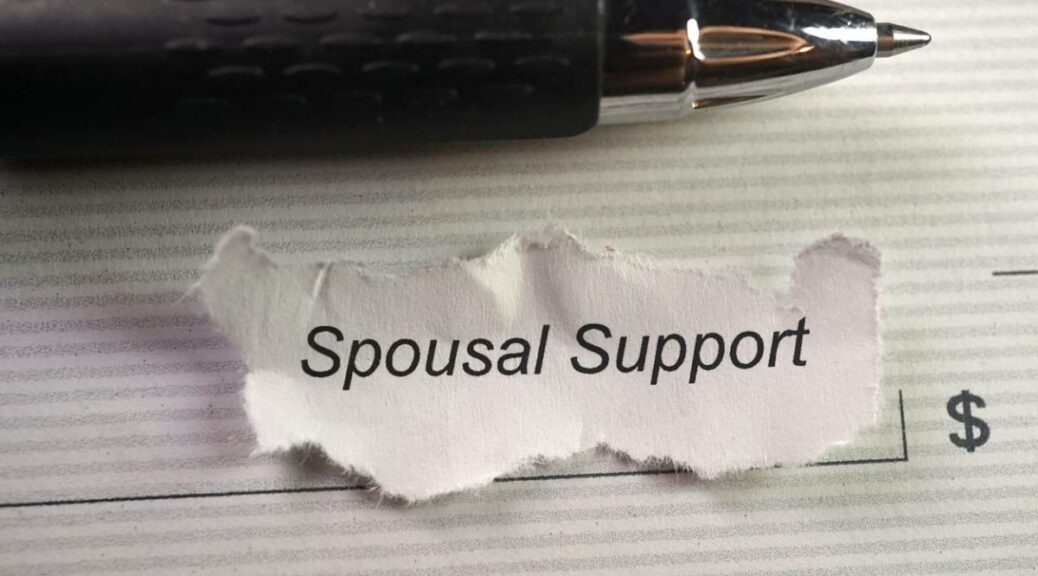
Spousal Support and Taxes

Spousal Support and Taxes

Filing for a divorce can complicate your tax situation, especially regarding spousal support. Is alimony (spousal support) taxable? Yes and no. Certified Family Law Specialist Judy L. Burger explains more about how spousal support affects your federal income taxes.

What Is Alimony?

The Internal Revenue Service defines alimony, or spousal support, (also called separate maintenance) as, “Amounts paid to a spouse or a former spouse under a divorce or separation instrument (including a divorce decree, a separate maintenance decree, or a written separation agreement) …”

It further specifies what qualifies as spousal support:

“A payment is alimony or separate maintenance if all the following requirements are met:

  • The spouses don’t file a joint return with each other;
  • The payment is in cash (including checks or money orders);
  • The payment is to or for a spouse or a former spouse made under a divorce or separation instrument;
  • The spouses aren’t members of the same household when the payment is made (This requirement applies only if the spouses are legally separated under a decree of divorce or of separate maintenance.);
  • There’s no liability to make the payment (in cash or property) after the death of the recipient spouse;
  • The payment isn’t treated as child support or a property settlement; and
  • The divorce or separation agreement does not designate the payment as not includable in gross income of the payee spouse and not allowable as a deduction to the payer spouse.”

Alimony and child support are not the same. Child support is never deductible and isn’t considered income.

Is Spousal Support Taxable?

The Tax Cuts and Jobs Act of 2017 changed alimony taxation rules. Here is the law as it stands now (June 4, 2024):

  1. Spousal support or separate maintenance payments made under a divorce or separation agreement executed before 2019 are deductible by the payer spouse and included in the recipient spouse’s income.
  2. Spousal support or separate maintenance payments made under a divorce or separation agreement dated on or after January 1, 2019, are NOT deductible by the payer spouse and NOT included in the recipient spouse’s income.

Some support included in a divorce or separation agreement is not considered spousal support under federal tax guidelines. Family Law Attorney Judy Burger can examine your divorce or separation agreement and determine what is and is not taxable/tax deductible for the current tax year. Many aspects of the TCJA expire in 2025 unless re-enacted by Congress.

Legal Help with Child & Spousal Support

California takes child and spousal support agreements seriously. Child support is never deductible and isn’t considered income. If a divorce or separation instrument provides alimony and child support, and the payer spouse pays less than what is required, the payments apply to child support first. Only the remaining amount is considered alimony. However, Failure to meet court-ordered support agreements is considered contempt of court and can bring serious punishments.

Penalties for contempt of family court can include imprisonment, community service, fines, and/or payment of outstanding debt for financial obligations. California law dictates that sentencing may result in fines of up to $1,000 per act of contempt and/or as many as five days in jail. In cases such as child support or spousal support order violations, fines and jail time will accumulate after months of failure to pay.

Support violations carry a three-year statute of limitations. Any action alleging violations of support orders must be made within three years after the first missed payment.

If you have questions about child or spousal support or need help getting what you deserve, contact The Law Offices of Judy L. Burger. We have eight conveniently located offices across California to serve you.