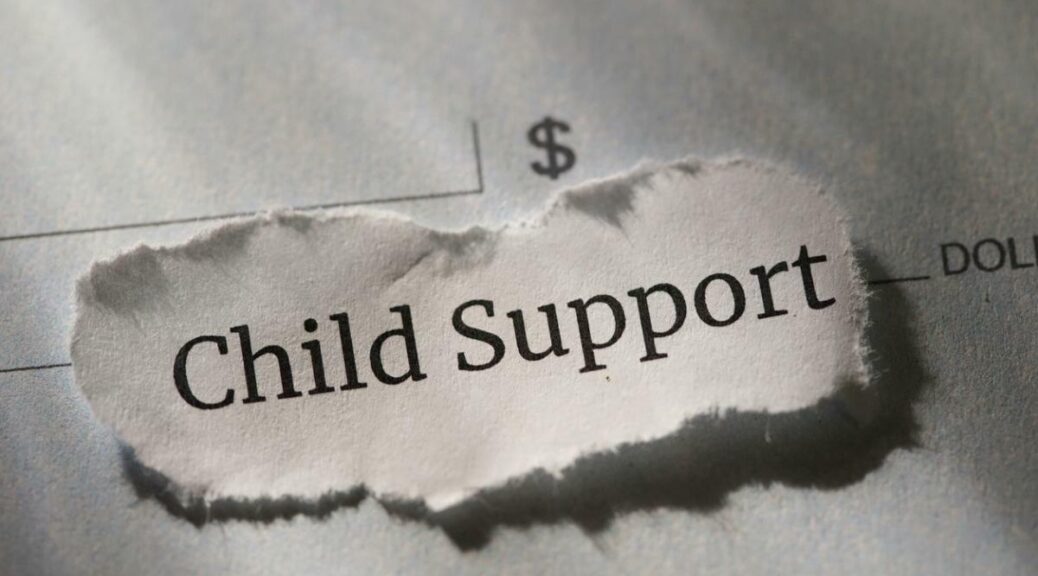


Category Archives: Debt

Dealing with Ongoing Financial Obligations During a Divorce

Ongoing Financial Obligations During a Divorce

Divorce is rarely simple, and one of the most challenging aspects is managing ongoing financial obligations while your case works its way through the legal system. In California, divorce proceedings can take months or even years to finalize, and during that time, bills don’t stop coming. Mortgages, car payments, credit cards, and children’s expenses continue to demand attention, often creating stress and conflict between separating spouses.

Common Ongoing Financial Obligations

Understanding how to handle these shared financial responsibilities during divorce is crucial for protecting your credit, maintaining stability for your children, and positioning yourself for a fair settlement. At The Law Offices of Judy L. Burger, we help clients navigate these complex financial waters with clarity and strategic planning.

Mortgage and Housing Costs

For most couples, the family home represents their largest shared financial obligation. During a divorce, questions arise about who should pay the mortgage, property taxes, homeowners’ insurance, and maintenance costs. If one spouse moves out, should they still contribute? What happens if the remaining spouse can’t afford the full payment alone? These questions become even more complicated when home equity is a significant marital asset that will eventually be divided.

Credit Card Debt

Credit cards opened during marriage are typically considered community debt in California, regardless of whose name appears on the account. During divorce proceedings, new charges may accumulate, and existing balances may continue to accrue interest. Disputes often arise about who should pay for which cards, especially when one spouse believes the other is spending irresponsibly.

Auto Loans and Leases

Vehicle payments present unique challenges when spouses separate. The person driving the car isn’t always the person whose name is on the loan. If you’re making payments on a vehicle your spouse is using, or vice versa, this creates an ongoing source of financial tension and potential leverage in negotiations.

Children’s Expenses

Even before formal child support orders are established, children need food, clothing, medical care, childcare, and educational expenses. Parents must figure out how to share these costs fairly while living separately, often with reduced household incomes due to the expenses of maintaining two homes.

Utilities and Services

Phone plans, internet, streaming services, insurance policies, and utility bills often remain in one person’s name while both spouses are benefiting from them. Separating these accounts and determining who pays what during the divorce process requires careful coordination.

Spousal Support Obligations

In some cases, temporary spousal support may be ordered while the divorce is pending, creating a new financial obligation that must be met regardless of other financial pressures.

How Ongoing Financial Obligations Complicate Divorce

How can these expenses complicate matters if not handled properly?

Credit Score Impact

When financial obligations aren’t met during divorce, both spouses’ credit scores can suffer, even if only one person stopped making payments. A joint mortgage or credit card in both names means both parties are legally responsible, and missed payments appear on both credit reports.

Leverage and Power Imbalances

The spouse who controls the finances or earns more income may have significant leverage during divorce negotiations. They might threaten to stop paying certain obligations to pressure the other spouse into accepting unfavorable terms.

Documentation Challenges

Tracking who paid what during the separation period becomes critical for property division and reimbursement claims. Without clear records, disputes arise about whether certain payments should be credited against the final settlement.

Emotional Decision-Making

Financial stress during divorce often leads to poor decisions made out of anger, fear, or desperation. One spouse might max out credit cards, stop paying bills out of spite, or make large purchases to “get their share” before assets are divided.

Temporary Orders Delays

It can take weeks or months to get temporary orders in place addressing financial obligations. During this gap, couples must somehow figure out payment arrangements on their own, often without clear legal guidance.

Practical Advice for Managing Financial Obligations

Attorney Judy Burger has vast experience helping divorcing couples through these murky financial waters. Here are her top recommendations:

  1. Document Everything: Keep meticulous records of every payment you make, including screenshots, bank statements, and receipts. Note the date, amount, and purpose of each payment. This documentation protects you if disputes arise over who paid what during the divorce.
  2. Communicate in Writing: Discuss financial matters with your spouse via email or text message whenever possible. Written communication creates a clear record and reduces misunderstandings about payment agreements.
  3. Open Separate Accounts Immediately: If you haven’t already, open individual bank accounts and credit cards in your name only. Begin redirecting your income to your separate account. This prevents your spouse from accessing or depleting funds you’ll need for living expenses and legal fees.
  4. Request Temporary Orders Quickly: Don’t wait to seek temporary orders addressing financial obligations. These court orders can establish who pays what during the divorce process, providing structure and legal enforceability. Temporary support orders can also be established to help the lower-earning spouse meet basic needs.
  5. Continue Making Agreed-Upon Payments: Even if you’re angry with your spouse, continue making payments on joint obligations where possible. Defaulting on mortgages or loans hurts both of you and can complicate property division. Your attorney can seek reimbursement for payments you made on your spouse’s behalf.
  6. Prioritize Secured Debt: If you must choose which bills to pay, prioritize secured debts like mortgages and car loans. Defaulting on these can result in foreclosure or repossession, creating far more serious problems than late credit card payments.
  7. Consider Mediation for Financial Disputes: If you and your spouse can’t agree on how to handle ongoing obligations, mediation may help you reach temporary agreements without costly court battles.

How Judy Burger Can Help

As a California Certified Family Law Specialist, Judy L. Burger has dedicated her practice to helping clients through the financial complexities of divorce. This certification, held by fewer than 10% of California family law attorneys, reflects advanced knowledge and proven experience in family law matters.

Judy can help you obtain temporary orders quickly to establish clear financial obligations during your divorce. She’ll work to protect your credit and financial interests while building a strong case for fair property division. Her team can help you gather and organize financial documentation, identify hidden assets or debts, and develop strategies for managing obligations during the divorce process.

Whether through negotiation, mediation, or litigation, Judy Burger provides skilled representation focused on achieving outcomes that protect your financial future.

Divorce and Finances FAQs

Am I responsible for debts my spouse incurs after we separate?

In California, debts incurred after the date of separation are generally considered separate debt, belonging only to the spouse who incurred them. However, establishing the exact separation date can be complex, and some exceptions apply. Proper legal guidance is essential.

Can I stop paying the mortgage if I move out of the family home?

This depends on several factors, including who is named on the mortgage and what temporary orders are in place. Stopping payment can damage your credit and affect property division. Consult with an attorney before making this decision.

What happens if my spouse empties our joint bank account?

California law requires full financial disclosure and prohibits dissipating marital assets. If your spouse empties accounts, you may be entitled to reimbursement. Document the withdrawal and contact an attorney immediately.

How quickly can I get temporary spousal support?

Temporary support orders can typically be obtained within a few weeks to a couple of months of filing a request with the court. The timeline depends on court scheduling and whether your spouse contests the request.

Should we file taxes jointly during our divorce?

This depends on your specific situation. Filing jointly may provide tax benefits, but it also creates joint liability. Your attorney and tax professional should review your circumstances before you decide.

Protect Your Financial Future Today

Navigating financial obligations during divorce requires strategic planning and knowledgeable legal guidance. Don’t face these challenges alone or make costly mistakes that could affect your financial security for years to come.

Contact The Law Offices of Judy L. Burger today to schedule a consultation. With offices throughout California, Judy Burger and her team are ready to help you protect your interests and achieve a fair resolution. Call now to discuss your situation and learn how we can help you move forward with confidence and financial stability.


What Are the Nuances of "Graying Divorce?"

What Are the Nuances of “Graying Divorce?”

As life expectancy continues to increase, more couples in their 50s and beyond are finding themselves contemplating divorce. Dubbed “graying divorce,” this trend highlights a unique segment of divorcing couples, whose legal and emotional challenges often differ significantly from those faced by younger individuals. For those navigating this complex process in California, the guidance of a skilled attorney can make a tremendous difference.

What Is Graying Divorce?

Graying divorce refers to the phenomenon of older couples, typically those over the age of 50, seeking divorce after many years, or even decades, of marriage. According to statistics from the National Center for Family & Marriage Research, this trend has been steadily increasing since the 1990s. Often, these couples face a host of issues that can complicate the dissolution of their marriage.

Unique Challenges of Graying Divorce

What makes graying divorce more challenging?

  • Division of Assets: Unlike younger couples, graying couples often have more substantial assets, including retirement accounts, pension plans, real estate, and other investments. Determining the equitable distribution of these assets can be complex, especially if one spouse is nearing retirement or if there are significant changes in asset values due to market fluctuations.
  • Retirement Plans: Many older couples have built their financial security on joint retirement plans. In a gray divorce, considerations regarding Social Security benefits, pension plans, and retirement accounts become incredibly important. It is crucial to fully understand how dividing these assets may impact future financial stability and retirement plans.
  • Health Issues and Care Needs: As individuals age, health concerns may arise that can significantly impact divorce proceedings. Issues such as long-term care requirements or medical expenses must be factored into asset division and alimony discussions, as one spouse may require more financial support if they have chronic health conditions.
  • Spousal Support (Alimony): The support that one spouse may provide to another post-divorce can differ greatly for older couples. Unlike younger couples, the duration and amount of spousal support can become contentious, particularly if one spouse knows they may not have the time to increase their earning potential due to age or health issues.
  • Emotional and Psychological Impact: Older couples may already have deep-rooted emotional connections and shared histories that make the process of separation particularly painful. Additionally, the fear of loneliness, financial insecurity, and anxiety about starting over in later life can create emotional turmoil that affects both parties.

How Judy Burger Can Help

At The Law Offices of July L. Burger, we recognize the unique challenges that graying divorce presents. Our team is dedicated to providing tailored legal support that addresses the specific needs of our clients. We understand that this stage of life comes with its own set of concerns, and we work diligently to ensure that our clients navigate the process smoothly and with clarity.

  1. Thorough Asset Evaluation: We provide comprehensive evaluations of marital assets, ensuring all possessions are accounted for and fairly valued. Our expertise enables clients to understand their rights regarding retirement benefits and other complex financial matters.
  2. Advising on Retirement Implications: Judy Burger is well-versed in the intricacies of how divorce affects retirement plans and Social Security benefits. We will help you analyze your options, helping ensure you maintain financial security in your later years.
  3. Emotional Support Resources: During this challenging time, we recognize the emotional burden our clients bear. We can offer resources and referrals to counseling services to support you through this difficult transition.
  4. Negotiation of Spousal Support: Our firm will advocate for your best interests in negotiating any spousal support arrangements, focusing on the long-term financial stability of our clients post-divorce.
  5. Mediation and Settlement Options: Recognizing that not every divorce must go to court, we explore alternative dispute resolution options, including mediation, to reduce the strain of adversarial proceedings.

FAQs About Graying Divorce

What constitutes a “graying divorce?”

A graying divorce typically involves couples over the age of 50 seeking divorce after a long-term marriage, often with complex financial and emotional circumstances.

How does asset division differ in a graying divorce?

Older couples typically have more substantial and diverse assets, including retirement accounts, pensions, and real estate, which necessitate careful evaluation and equitable distribution.

What should I consider regarding spousal support?

Factors such as the duration of the marriage, discrimination in earning potential due to age, health issues, and the financial needs of both spouses will influence spousal support agreements.

How do retirement benefits factor into a graying divorce?

Retirement benefits are a major consideration, as dividing them can impact your long-term financial security. It’s essential to work with an attorney who understands the intricacies of retirement benefits in divorce.

Can mediation be effective in graying divorces?

Yes, mediation can be a fruitful alternative to traditional court proceedings, allowing for a more amicable resolution that can save time, money, and emotional turmoil.

Certified CA Family Law Specialist for Graying Divorce

Graying divorce is a significant reality for many couples opting to part ways later in life. With the right legal guidance, such as that offered by The Law Offices of July L. Burger, individuals can navigate the complexities of this process with confidence.

Whether you’re just considering the possibility of divorce or already in the midst of proceedings, having knowledgeable support by your side can make all the difference.

Is My Spouse Entitled to Half My House If It's In My Name in California?

Is My Spouse Entitled to Half My House in a Property Division If It’s In My Name in California?

One common concern when navigating the complexities of divorce in California is property division, particularly regarding the family home. Many individuals wonder: If the house is solely in my name, does my spouse still have a claim to half of it? CA Property Division Attorney Judy L. Burger offers a deeper understanding of California’s community property laws to help clarify this question.

Understanding Community Property in California

California is a community property state, which means that most assets acquired during the marriage are considered community property and are subject to equal division upon divorce. This includes income, real estate, and other assets acquired while married, regardless of whose name is on the title.

If the house was purchased during the marriage, it is generally presumed to be community property, even if only one spouse’s name is on the title. This means that both spouses typically have a claim to the house, and it could potentially be divided equally during the divorce proceedings. However, there are exceptions to the community property presumption.

Exceptions: Separate Property

Not all property is community property. Any assets owned by either spouse before marriage or acquired by gift or inheritance are considered separate property and are not subject to division. If you owned the house before marriage and it remained in your name, it may be classified as separate property. However, if you made mortgage payments or significant improvements to the house during the marriage using community funds, your spouse might argue they have a claim to the increased value of the property.

It’s important to consider contributions made by your spouse. If your spouse contributed financially to the house, even if it’s solely in your name, they might have a valid claim. For instance, if they helped with mortgage payments, upkeep, or renovations, these contributions could afford them rights to the property or increase their share during division.

Protecting Your Family Home

If you suspect a divorce is in your future, you can take steps to ensure that your home remains distinct from marital assets to safeguard it from being considered communal property. When possible, refrain from using communal assets to upgrade the home or make mortgage payments. Be sure to maintain thorough records if you inherited the home.

Individuals can also consider signing a prenuptial or postnuptial agreement to safeguard a family home from property division during a divorce. These legal agreements provide clear guidelines for property division and outline how homes, real estate, and other properties will be handled in the event of a divorce. By defining the property statuses and the rights and responsibilities of each spouse, these agreements can protect a family home.

Seek Legal Guidance from an Experienced CA Property Division Attorney

Given the intricacies of property division laws in California, it’s wise to consult a seasoned property division attorney like Judy Burger. She can provide personalized advice based on your specific situation, ensuring your rights are protected. Judy Burger can also help evaluate whether your house is community or separate property and guide you through the divorce process.

In California, whether your spouse is entitled to half or another portion of your house largely depends on factors like the property’s title, when it was acquired, and any contributions made during the marriage. If you’re facing divorce and have questions about your home and property rights, reach out to CA Certified Family Law Specialist Judy L. Burger today.


Help! My Ex Won’t Pay Child Support

Help! My Ex Won’t Pay Child Support

Child support often makes the difference between survival and struggling for divorced single parents. The challenges mount rapidly when an ex-partner fails to meet their financial obligations. If you’re facing this situation, it’s important to understand your rights, the legal avenues available to you, and how to effectively approach the issue.

California Certified Family Law Specialist Judy L. Burger shares a guide to help you manage this difficult circumstance.

Understanding Child Support

Child support is a legal obligation that one parent is required to pay to the other for the financial support of their child. This arrangement aims to ensure that the child’s needs are met, regardless of the custodial situation. Child support agreements may be established through the courts or negotiated between parents, and they can cover a range of expenses, including housing, education, healthcare, and everyday living costs.

Reasons Why an Ex May Fail to Pay Child Support

There are various reasons why an ex might fall behind on child support payments, including:

  • Financial Hardship: Job loss, medical expenses, or other financial difficulties can impact a parent’s ability to pay.
  • Disputes Over Payment Terms: Misunderstandings or disagreements regarding the terms of support can lead to missed payments.
  • Relocation: If an ex moves to a different state, it may complicate enforcement of child support orders.
  • Avoidance Behavior: In some cases, a parent may simply evade their responsibilities.

Visit Customer Connect to check your payment status online. If you need further assistance, you can contact the automated service line at 1-866-901-3212 with any questions related to your child support payments.

Steps to Take If Your Ex Won’t Pay

CA Child Support Attorney Judy Burger possesses significant experience in addressing situations where parents attempt to evade their financial responsibilities towards their children. She has encountered various cases involving individuals who seek to minimize their spousal support obligations by reducing their income, quitting their jobs, or concealing assets. This expertise enables her to effectively navigate the complexities of support enforcement and ensure that obligations are met.

Here’s what she recommends if your former spouse refuses to pay child support:

  1. Document Everything: Keep detailed records of all missed payments, communication attempts, and any relevant documentation related to your child support agreement. This will be crucial if you need to take legal action.
  2. Communicate Openly: Sometimes a simple conversation can help resolve the issue. Approach your ex calmly to discuss the situation and see if they are facing difficulties that you weren’t aware of.
  3. Review Your Agreement: Understand the terms of your child support agreement, including payment amounts, due dates, and the consequences of missed payments. This knowledge equips you for discussions with your ex or legal authorities.
  4. Consider Mediation: If direct communication fails, mediation can be a productive way to address conflicts and establish a new agreement that satisfies both parties.
  5. Contact the Child Support Agency: If informal resolutions are not successful, contact your local child support enforcement agency. They can assist you in enforcing the child support order through various means, such as income withholding or intercepting tax refunds.

Get Legal Assistance with Child Support

If the situation escalates, consult family law attorney Judy Burger. She can provide guidance based on your specific situation, help you file a motion to enforce the child support order, and represent you in court if necessary. If all else fails, you may have to take legal action to enforce the child support order. This can lead to court-ordered solutions, which may include penalties against the non-paying parent, such as wage garnishment or even jail time.

By law, both parents must share the financial responsibility for raising their children. When your ex won’t pay child support, it’s crucial to take proactive steps to address the situation. Preserving your child’s well-being is the top priority, and you have the right to seek the support they deserve. Contact The Law Offices of Judy L. Burger to get experienced help toward a resolution that supports your child’s best interests. 

Default Divorce and Property Division

Default Divorce and Property Division

In California, a default divorce occurs when one spouse files for divorce and the other fails to respond or participate in the proceedings. This situation can arise for various reasons, including lack of communication, avoidance of the divorce process, or even ignorance of the filings.

Certified California Family Law Specialist Judy L. Burger believes both parties should understand the implications of a default divorce, as it can significantly affect property division and other legal matters.

Reviewing the Default Divorce Process

When one spouse initiates the divorce process by filing a petition with the court, they must serve the other spouse with divorce papers. Once served in California, the recipient has 30 days to respond. If the non-filing spouse does not respond within this period, the court can proceed with the divorce and may grant a default judgment. This means the filing spouse can request the court to rule in their favor without input from the non-responsive spouse.

Property Division in Default Divorce

California is a community property state, meaning that nearly all property acquired during the marriage is considered joint property and is subject to equal division upon divorce. In cases of a default divorce, the court may divide property based on the information provided by the filing spouse.

This includes a Request to Enter Default (form FL-165) formally asking the court for a default divorce because your spouse didn’t respond.

You may also need to submit a Property Declaration (form FL-160) that informs the court about the community property you share with your spouse and how you want it divided.

  • Community Property: This includes all assets and debts acquired during the marriage, such as income, homes, and joint bank accounts. Community property is typically divided equally between both spouses.
  • Separate Property: This includes assets one spouse owned before the marriage, gifts or inheritances received during the marriage, and anything specifically designated as separate property in a prenuptial agreement. Separate property is not subject to division in a divorce.

In a default divorce scenario, the court relies heavily on the accuracy and completeness of the information provided by the responding spouse. If the filing spouse fails to disclose certain assets or debts, the court may unknowingly grant a division that does not reflect an equitable outcome. This emphasizes the importance of thorough documentation and honesty during the divorce process.

A default judgment can result in unintended outcomes. For instance, the non-responding spouse may ultimately lose rights to certain community assets or may not receive fair consideration of their financial contributions to the marriage.

NOTE: A default divorce does not automatically forfeit rights; the non-responding spouse still has legal options, such as filing a motion to set aside the default judgment within a certain period.

Protect Your Rights

If you find yourself in a situation involving a default divorce, it’s vital to seek legal advice as soon as possible. Judy Burger is an experienced family law attorney who can provide insights into your rights and options. She can help you understand your legal standing and whether it is beneficial to contest the default judgment.

  • Document Assets and Liabilities: If you believe you are at risk of a default judgment, gathering an accurate account of all community and separate property will be invaluable in negotiations and court proceedings.
  • Respond to Divorce Papers: If you have been served with divorce papers, it’s critical to respond promptly within the timeframe provided. If you have concerns about the divorce or property division, discuss your options with attorney Judy Burger; she can help you negotiate a fair outcome.

Get Help with a Default Divorce and Property Division

Default divorce can present significant challenges for both parties, particularly regarding property division. Property Division Attorney Judy L. Burger can help you understand California’s community property laws and the implications of a default judgment so you can protect your rights in the divorce process.

If you are facing a divorce, whether you are the filing party or the one served, contact The Law Offices of Judy L. Burger. We have eight locations throughout California, and we can guide you through the complexities of divorce to ensure a fair resolution.


Joint Bank Accounts and Divorce

Joint Bank Accounts and Divorce

Divorce can be a complex and emotional process, especially when it comes to finances. One important aspect that many couples need to address during a divorce is the status of their joint bank accounts. Understanding the implications of joint accounts can help ensure a smoother transition for both parties. Certified California Family Law Specialist Judy L. Burger reviews this issue and offers some guidance.

Understanding Joint Bank Accounts

A joint bank account is a financial account shared by two or more individuals. This type of account enables both parties to deposit, withdraw, and manage funds. While joint accounts can simplify finances during marriage, they can lead to complications during divorce.

Here are some critical factors to remember regarding divorce and joint bank accounts:

  • Ownership of Funds: California follows community property laws, so most assets and debts acquired during the marriage are considered community property. This means both spouses typically have equal rights to the funds in a joint account, regardless of who initially deposited the money.
  • Access to Accounts: Upon filing for divorce, it is essential to understand that both parties generally retain access to joint bank accounts until a court order dictates otherwise. This can lead to potential conflicts, particularly if one spouse withdraws a significant amount of money. To mitigate this risk, closing joint accounts or agreeing on a set amount each party can withdraw may be advisable.
  • Financial Records: Accurate financial records of transactions from joint accounts are important. This documentation can be crucial during the divorce process, especially when determining the division of assets. Consider keeping copies of bank statements and transaction receipts.
  • Risk of Seizure: Funds in a joint account may be subject to seizure by the government to fulfill any outstanding obligations. This can include back taxes, child support payments, or other court-ordered garnishments.

You should note that these factors do not just apply to bank checking and savings accounts. They also apply to joint investment, retirement, and other accounts. Get more advice about joint financial accounts from Certified Family Law Specialist Judy L. Burger before your divorce.

Steps to Take When Navigating Joint Accounts in Divorce

Don’t wait until divorce proceedings are underway or disagreements arise before considering how to handle marital assets. CA Property Division Attorney Judy Burger offers the following recommendations:

  1. Communicate: If possible, communicate clearly with your spouse about the handling of joint accounts. Establishing open lines of communication can help reduce misunderstandings and conflicts during the divorce process.
  2. Open Separate Accounts: If you haven’t done so already, it may be wise to open individual bank accounts. This allows you to establish financial independence and manage your funds separately from your spouse moving forward.
  3. Seek Legal Guidance: Consulting with CA Divorce Attorney Judy L. Burger can clarify your rights regarding joint accounts. She can guide you through the process and help ensure that your interests are protected.

When dividing joint accounts during divorce, the court typically aims for an equitable distribution of community property. This can include splitting the funds into joint bank accounts and determining how any debts associated with these accounts will be handled. However, this is not as straightforward as it sounds. Some funds in the joint account may not be community property, and a spouse may request that those funds be separated and given to them.

Property Divisions with Joint Bank Accounts

Navigating joint bank accounts during a divorce can be challenging. Being informed about your rights and responsibilities is crucial. You can better manage the complexities of joint accounts during your divorce by communicating openly with your spouse, maintaining thorough financial records, and seeking professional advice.

If you are facing a divorce and need assistance with financial matters, reach out to CA Divorce and Property Division Attorney Judy L. Burger. She can provide the support and guidance necessary to protect your financial interests during this transitional period. Contact one of our eight California offices directly by phone or request a consultation through our contact form.


Child Support and My 2024 Taxes

Child Support and My 2024 Taxes

Child support is a significant obligation that the State of California takes very seriously. Payers and recipients must follow established guidelines to meet legal requirements and adequately provide for their families. Questions often arise about how child support affects federal and state income taxes. Certified Family Law Specialist Judy L. Burger shares more about child support and your taxes for 2024.

Child Support 101

In California, child support is an important element of family law that provides for the welfare of children following their parents’ separation or divorce. Child support is calculated using a detailed formula that considers the income difference between parents and the amount of time the higher-earning parent spends with the children.

If there is a significant income gap and the higher-earning parent has less parenting time, they are typically required to pay more in child support. This guideline is used in a range of situations, such as divorces, cases involving unmarried parents, dissolution of domestic partnerships, and requests to modify existing support orders.

California Child Support Attorney Judy Burger can help you calculate your child support obligation and handle other matters pertaining to divorce, custody, and spousal support.

How Does Child Support Affect Taxes?

When it comes to child support and taxes, there are a few key points to keep in mind:

Generally, paying or receiving child support does not impact your tax burden. If you’re unsure about how child support may impact your taxes, it’s always a good idea to consult with a tax professional who can provide personalized advice based on your specific situation.

Child Support Modifications and Taxes

It’s important to note that if your income changes by 20% or more, a review may be required to determine whether it affects the amount of child support you need to pay or receive. This can also impact how you calculate your tax burden. Income changes that can warrant support modifications include:

  • Increases: Increases may raise your payments.
  • Decreases: Decreases may reduce your payments depending on the nature of the decrease.
  • Job loss: If a parent loses a job, the court may temporarily reduce payments until they secure new employment, then make a more permanent determination.
  • Self-employment: This type of employment can fluctuate, requiring adjustment or modification.
  • Retirement: This often makes significant changes in income, usually decreases, and will require an adjustment.

Any changes to child support payments must be agreed upon by both parents and approved by the court. Remember, regardless of any increases or decreases in your obligations, child support is not deductible on California or federal taxes for either the payor or the recipient. It’s advisable to seek the assistance of family law attorney Judy Burger to navigate this process and ensure that your child’s best interests are met.

California Child Support Attorney

When you need help from a California Child Support Attorney, choose Judy L. Burger. As a Certified Family Law Specialist, she has the knowledge, tools, and experience to help you with complex support, custody, and maintenance issues that impact your family’s well-being. We have eight offices throughout The Golden State for your convenience. Contact the one nearest you to schedule a consultation today.

Top Reasons to Seek CA Child Support Modifications

Top Reasons to Seek CA Child Support Modifications

Child and spousal support are critical responsibilities after a divorce. As life changes occur, you may need to make formal child support modifications to your original agreement. The Family Court must approve any changes, but it is always best for both parents to present a workable plan to the court. Certified Family Law Specialist Judy L. Burger examines why you may need to seek child support modifications in California.

Income Changes

Any changes in your income of 20% or more warrant examination for a possible change in your child support amount. This includes:

  • Increases: Increases may raise your payments.
  • Decreases: Decreases may reduce your payments depending on the nature of the decrease.
  • Job loss: If a parent loses a job, the court may temporarily reduce payments until they secure new employment, then make a more permanent determination.
  • Self-employment: This type of employment can fluctuate, requiring adjustment or some other modification.
  • Retirement: This often makes significant changes in income, usually decreases, and will require an adjustment.

Never assume that changes to your child support payments can be made on your own when things change. All changes must be agreed upon by both parents and approved by the court. CA Family Law Attorney Judy Burger can help you navigate this process to ensure your child’s best interests are met.

Custody Changes

Custody agreements can change and reflect a need to modify child support arrangements. The time a child spends with each parent is a primary consideration. Common reasons for a change in custody include:

In most cases, the non-custodial parent pays child support to the custodial parent. If the custodial parent changes, this likely means a change in the amount of child support. The child’s needs and the new custody arrangements must be reviewed to create a workable agreement. Typically, the custodial parent spends more time with the child and contributes more to their care.

Changes in the Child’s Needs

Children grow and change, and this creates new and different needs. The most common changes in the child’s needs that demand support modifications include:

  • Education: As children age, they can require more resources for their education, such as school supplies, activity fees, or college tuition.
  • Living expenses: As children age, their tastes and needs change, including clothing, food, daily essentials, and incidentals.
  • Medical expenses: Developing medical conditions or treatments not covered by insurance, like wisdom teeth removal and orthodontics, can require extra resources.
  • Extracurricular activities: Children can pursue all forms of sports, music lessons, hobbies, and school clubs that may require additional financial resources.
  • Unpaid child support: If one parent falls behind on child support payments, the court may order a modification to ensure the child is receiving proper care and support.

Parents can agree on how they’ll handle the new payments. However, they still need a judge to sign off on the agreement and ensure it meets the requirements for a child support modification. So, any verbal agreement should be put on paper and certified by a family law judge.

Get Help with CA Child Support Modifications

Every family is unique and has different child support needs. No two support agreements are alike. Working with a seasoned family law attorney is the best way to find solutions to complex support issues that meet your family’s needs while satisfying the family court’s requirements. A lawyer should review any change in your situation to see if it warrants changes.

Certified Family Law Specialist Judy Burger has extensive experience helping families create workable child support agreements and modifications as life changes. She is an effective negotiator and problem-solver who can help you find solutions that fit your family’s needs. Contact one of her offices across California to schedule a consultation today.


Common Ways Some Parents Try to Hide from Their Support Obligations

Common Ways Some Parents Try to Hide from Their Child Support Obligations

Child support to ensure the care and well-being of your children is a critical financial obligation. California Family Courts follow uniform guidelines established under state law to calculate a parent’s child support obligation. The court’s child support order is legally binding and avoiding or ignoring it has serious consequences.

Unfortunately, some parents try to avoid this obligation by employing various means to “hide” assets or defraud the system and their children. California Attorney Judy L Burger is a Certified Family Law Specialist who can help you if you suspect a former spouse is trying to hide from their court-appointed support obligations.

Examples of California Child Support Fraud

Providing incorrect information to the family court about your income is child support fraud. For example, a non-custodial parent may try to hide income from various sources and report a lower amount to the court in order to obtain low support payments. Also, a custodial parent may try to hide income to get more money from the other parent.

Here are some common examples of child support fraud:

  1. Underreporting Income: Reporting incorrect income amounts and sources on tax forms and other documents.
  2. Working for Untraceable Cash: Working a job that pays in cash so there is no paper trail to prove the income.
  3. Quitting a Job: Resigning from a job so you have no income to report.
  4. Opening Accounts In a Family Member’s Name: Hiding assets in accounts in someone else’s name so they do not appear in your personal asset list.
  5. Concealing Funds in Cryptocurrencies: Hiding assets in cryptocurrencies to complicate how these assets are tracked or reported.
  6. Transferring Funds to Offshore Accounts: Hiding assets in overseas accounts that are not subject to United States or California reporting obligations.
  7. Shielding Funds Through Shell Companies: Establishing complex legal entities to hide assets and avoid an accurate reporting of your income.

The Law Offices of Judy L. Burger uses sophisticated forensic accounting methods and other investigative techniques to uncover hidden assets and income sources. If you suspect your spouse is employing fraudulent means to escape their child support obligations, contact one of our offices near you to schedule a consultation.

Possible Penalties for Avoiding CA Child Support Obligations

California child support orders are legally enforceable under the law and carry stiff penalties when violated. Those found guilty of ignoring or committing fraud to avoid their support obligations may face several different enforcement actions that can include:

  • Credit bureau reporting
  • Suspension of driver’s license or passport
  • Revocation of professional and occupational licenses
  • Bank and property liens
  • Appropriation of tax refunds
  • Appropriation of lottery winnings
  • Asset seizures
  • Imprisonment (contempt of court is a criminal offense)

The Golden State offers several programs to help if you have legitimate problems meeting your child support obligations. Don’t wait until you get seriously behind in your payments; contact your local child support office immediately to inquire about your options. Attorney Judy Burger can also help you with support modification requests and other legal remedies.

A California Certified Family Law Specialist Can Help You Get What You Deserve

Attempting to hide assets to get higher child support payments from your spouse and hiding assets to prevent paying your fair share are both fraud. CA Family Law Specialist Judy L. Burger fights tenaciously for the care and well-being of innocent children and hurting families. She and her team can help you get the support you deserve from offices throughout California. Ms. Burger can also help you if your circumstances have changed and cause problems meeting your child support payments.

Contact The Law Offices of Judy L. Burger in Beverly Hills, Gold River, San Diego, San Francisco, San Jose, Oxnard, San Rafael, or Santa Barbara to schedule a consultation.

Am I Still Financially Responsible for My Ex-Spouse’s Debts

Am I Still Financially Responsible for My Ex-Spouse’s Debts?

Getting his final divorce order was one of the best days in Jason’s life. Finally, he could move on without his ex-wife and all her baggage. He was unpleasantly surprised to start receiving late notices from creditors and angry phone calls from collection companies. They were about his ex-spouse’s debts, not his. Can Jason be held responsible for these debts?

Community Property – and Debt

During divorce proceedings, a couple’s property and debts are split into two categories:

  • Community, which both spouses own;
  • Separate, which one spouse owns;
  • Mixed Community and Separate, which means the property or debt could be partially owned by the couple.

Property division is complex. It’s not always easy to determine whether something is community, separate, or mixed. In a community property state like California, community property and debts are usually split between the couple. As Jason unfortunately learned, there’s more to dividing debts than meets the eye.

The Nature of Debts

A community debt is generally one that the couple:

  • acquired together during the marriage,
  • one party acquired during the marriage.

Sometimes one spouse will sign for a loan or get a credit card while married but in his or her own name. Then the other spouse uses the debt or helps pay for it. This can complicate the matter further because the debt may now become part of the marital estate.

Couples may simply split their debts in their settlement agreement. In Jason’s case, he took one credit card while his ex took the other. However, when she stopped paying on the card, Jason found he might still be responsible for his ex-spouse’s debt. That’s because the divorce decree generally does not affect the agreement that caused the debt. So, if both parties sign for a loan that one party gets in the divorce settlement, the other party’s name is still on the loan as far as the lender is concerned. Basically, they just want to get paid. That’s understandable but frustrating for the party left paying for an ex-spouse’s debts. 

Talk to a California Divorce Attorney About Your Ex-Spouse’s Debts

Make sure you know where you stand financially when the ink dries on your divorce order. Suddenly learning that you have to pay your ex-spouse’s debts when you are just starting your new life is not ideal, to say the least.

Talk to an experienced California divorce attorney today. Please call us at (415) 293-8314 to schedule a confidential appointment with one of our attorneys.

Please call us at 415-293-8314 to discuss your case. The attorneys at the Law Offices of Judy L. Burger assist clients along California’s Northern to Southern Coast, including San Francisco, Beverly Hills, Marin, San Jose, Gold River, San Diego, Santa Barbara, Ventura/Oxnard, and surrounding communities.