
after divorce

Can You Take Your Child Out of the Country After a Divorce in California?

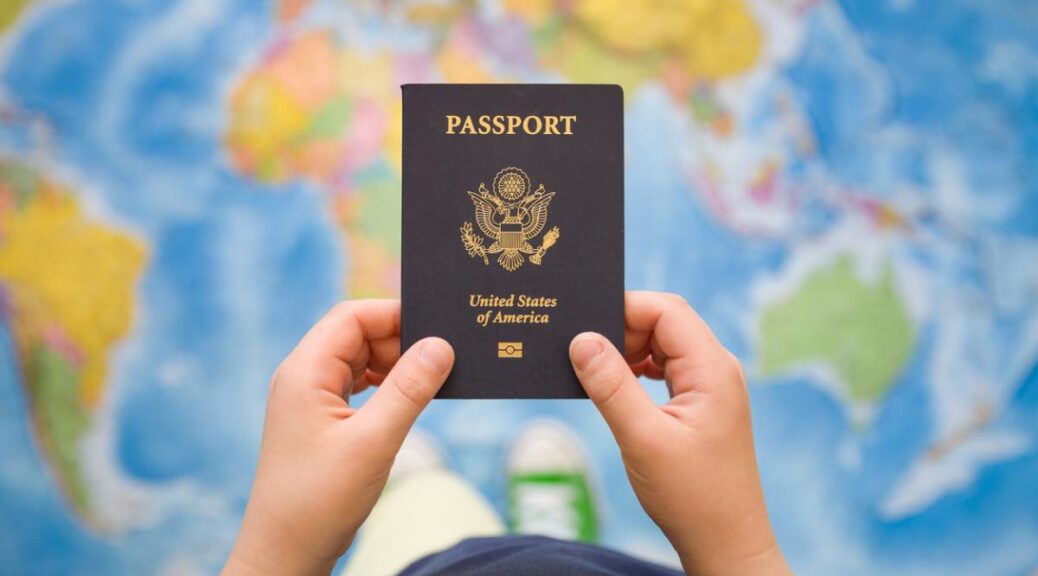
Traveling with your child can be a life-enriching experience, but for divorced parents, it can also be a complicated process. When traveling with a child out of the country after a divorce in California, you may be wondering what the rules are. This blog post will delve into the legal requirements that a parent needs to fulfill before they can travel internationally with a child post-divorce in California.

What Needs to Happen Before Traveling Internationally with a Child After Divorce?

To travel internationally with a child during or after a divorce in California legally, you need to get a few things in order first. Generally, the law requires that you have a written agreement (made into a Court order from the other parent or the Court before traveling outside the country with your child.  If the other parent does not agree to your travel, you must ask the Court for a Court order to travel.

Get the Proper Paperwork in Place

One of the main priorities when planning a trip with your child is ensuring that your custody orders or parenting plan allows for international travel. You will also need to have your and your child’s passports in place. If the other parent opposes the travel plans, the parent has to obtain a court order to allow international travel. Apart from these, you must fill out consent, medical release, and flight itinerary documentation forms.

Communicate Travel Plans with the Other Parent and Allow Time for Objections

The parent who wishes to take the child out of the state of California, especially out of the country, needs to inform the other parent of the travel plans and the itinerary. The other parent will then have time to object if they need to.

Consider the Best Interests of the Child When Planning Trips

When planning to travel outside the country with a child, the most important thing to consider is the child’s best interests. You should choose destinations and activities that align with the child’s interests, such as visiting a family member, attending an educational activity, or religious observances.

Maintain Frequent Contact with the Other Parent During Extended Trips

When traveling with your child, especially on extended trips, it is essential to maintain clear and open communication with the other parent. It is also good practice to keep the other parent informed if your itinerary changes. Your child should have contact with the other parent while traveling through phone calls or facetime.

Follow Court Orders and Parenting Plans When Returning from an International Trip

When you return from your international trip, you must follow any court orders that existed before the trip. Some provisions may require you to notify the other parent upon arrival. Failing to abide by court orders or parenting plans may result in legal action from the other parent.

If you need assistance navigating the complexities of traveling outside the country with your child after a divorce, it is always best to get legal guidance. At the Law Offices of Judy L. Burger, we understand the sensitivities involved in these situations and are here to help you make the best decisions for your child. Our child custody attorneys have handled countless travel-related cases and can provide you with trusted legal support. Contact us today to schedule an appointment. 

 

pregnant during divorce

What if I am Pregnant During a Divorce?

Divorce can be a painful and emotionally challenging process for anyone, but the situation can become even more complicated if you are pregnant. In California, if you are going through a divorce with a baby on the way, it is essential to understand how your pregnancy will impact your divorce proceedings. From support to custody arrangements, parenting plans, and paternity, you need to address many issues with your legal team if you are pregnant during divorce.

This blog post will walk you through some key considerations if you are pregnant during a divorce. We will also give you some tips and strategies on how to navigate your pregnancy and divorce proceedings with the help of a reliable California family law attorney.

How does Pregnancy Impact Divorce Proceedings in California?

When a divorce involves pregnancy, several legal issues need to be considered. One of the most significant considerations is child support. Both parents have a legal obligation to support their children, and this obligation does not change if the parents decide to divorce. However, the financial needs of a newborn can be significant, and both parents’ income will likely be an important factor in determining child support arrangements.

Custody arrangements are another issue that must be addressed. While there is no legal presumption in favor of either parent, the Court will consider the child’s best interests when making custody decisions.

Establish Paternity Early in the Process

If you are pregnant during a divorce, it is essential to establish paternity early in the process. This will ensure that parental rights and responsibilities are appropriately assigned and that the Court can issue custody, visitation, and support orders. If paternity is in question, DNA testing may be required to establish the biological father of the child.

Document all Expenses Related to Prenatal Care and Delivery

When you are pregnant during a divorce, it is essential to document all expenses related to prenatal care, delivery, and postnatal care. These expenses will be considered when calculating child support. Your California family law attorney can help you gather and organize this information to support your case.

Creating a Parenting Plan Addressing the Needs of the Newborn

A newborn’s needs are unique, and you must consider them when creating a parenting plan during a divorce. This may involve building flexibility for breastfeeding and nap schedules and accounting for additional medical care that the baby may need. A parenting plan should be as specific as possible to minimize conflicts down the road.

Temporary Orders for Support, Custody, and Healthcare During the Divorce

If you are pregnant during a divorce, it may be necessary to obtain temporary orders for support, custody, and healthcare. This can ensure that you adequately address your child’s needs during the ongoing divorce proceedings. Your attorney can help you file these orders with the Court and advocate for your interests.

Coordinating Parenting Time Schedules with the Demands of a New Parent

Finally, if you are pregnant during a divorce, it may be necessary to coordinate parenting time schedules with the demands of a new parent. This can be challenging, especially if you or your spouse also have work or school obligations. Your attorney can help you negotiate a schedule that balances the child’s needs with the practical realities of your situation.

If you are pregnant during a divorce, you need an experienced and compassionate California family law attorney on your side. Our team at the Law Offices of Judy L. Burger can guide you through every step of the legal process, ensuring your rights and interests are protected. We have helped many clients in similar situations and will work tirelessly to achieve the best possible outcome in your case. Contact us today to schedule an appointment. 

community property

Can Property be Both Community and Separate Property?

The distinction between community and separate property can be complex to understand. Community property refers to assets and liabilities that spouses acquire during a marriage, while separate property refers to assets and liabilities acquired before the marriage, or by gift or inheritance or after the date of separation. However, there may be some cases where property can be both community and separate. This blog post will explore this concept further and discuss how you can protect your assets.


What are Community Property and Separate Property in a Divorce? 

In California, community property presumptively refers to assets and liabilities that a couple acquires during a marriage. This includes income earned by either spouse and any assets purchased or debts accrued during the marriage. Separate property, on the other hand, presumptively refers to assets and liabilities acquired before the marriage or by gift or inheritance or after the date of separation. This can include items like property owned before the marriage, inheritances or gifts received by one spouse, or personal injury settlements. It is important to understand the distinction between community and separate property, as it can affect the distribution of assets in the event of a divorce.


Examples of Community Property


Examples of community property can include shared bank accounts, shared investment accounts, retirement accounts, real estate purchased during the marriage, and other significant assets. Community property can also include income earned during the marriage, such as salaries, wages, and earnings from a business.


Examples of Separate Property


Examples of separate property can include one spouse’s assets and liabilities before the marriage, inheritances or gifts received by one spouse, and personal injury settlements. Separate property can also include items like furnishings or vehicles that one spouse solely owned before the marriage or after the date of separation.


How Can Property Be Both Community and Separate Property?


In some cases, property may be both community and separate. For example, a home that one spouse owned before the marriage may have been considered separate property. However, if the couple made mortgage payments together or renovated the property during the marriage, the property may now be considered both community and separate. This can make it complicated to determine how the property should be divided in the event of a divorce or death.

A Common Issue: What Happens if One Spouse Wishes to Keep the Home Following a Divorce?

A common issue in a divorce is how to divide the interest in the family residence if one party purchased the home prior to marriage.  That party may claim that 100% of the equity in the home belongs to them which may or may not be correct.  The Court will consider some of the facts surrounding the purchase of the property, the source of the mortgage payments, the source of the funds for improvements and if and when the other party went onto title of the property.


Navigating complex divorce situations can be challenging, but it doesn’t have to be overwhelming. At the Law Offices of Judy L. Burger, we understand the specifics of California family law and the importance of protecting your assets. Our skilled attorneys can help you navigate the complexities of community and separate property. Contact us to schedule an appointment.

joint vs. sole custody

Joint vs. Sole Custody in California

In California, child custody is a significant issue for parents who are separating or getting a divorce. As parents, you want to provide your child with the best possible care and upbringing, but a custody battle can be challenging and emotionally exhausting. There are two types of Custody in California that judges consider when making custody orders.  There is legal custody and physical custody. Legal Custody is the decision-making regarding the health, education and welfare of the child. Physical Custody concerns who the child resides with. This blog post will break down the pros and cons of each type of custody and guide you through filing for custody in California. 

An Overview of Joint and Sole Custody in California


In California, joint custody means that both parents are responsible for raising their child. A court can grant joint custody to both parents if they can develop a parenting plan that is in the best interest of their child. On the other hand, sole legal custody means that only one parent has decision making regarding the child’s health education and welfare.  Sole physical custody means  the other parent has visitation rights, but the child lives primarily with one parent.


Factors Considered When Deciding on Custody Arrangements


The decision to grant joint or sole legal and/or physical custody in California is based on the child’s best interests. The court will consider several factors when deciding on a custody arrangement, including:


  • The child’s age, health, and welfare.
  • The relationship between the child and each parent.
  • The ability of each parent to provide a safe and stable environment for the child.
  • The child’s wishes, if the child is of sufficient age and capacity to make an intelligent decision.
  • Any history of domestic violence or substance abuse by either parent.


Pros and Cons of Joint Custody


One of the advantages of joint custody is that it allows both parents to be involved in their child’s life. The child can maintain a relationship with both parents, and both parents share the responsibility of raising the child.


However, joint custody can be challenging if parents cannot agree on important decisions regarding their child’s welfare. If parents have a history of conflict, joint custody can become a source of stress for all parties involved. Additionally, joint physical custody can be difficult to maintain if parents live far apart or have demanding work schedules.


 How to File for Joint or Sole Custody in California


To file for joint or sole custody in California, you must complete the necessary forms and file them with the court. You must provide the court with a proposed parenting plan that outlines how you and the other parent will share the responsibilities of raising your child. It is wise to hire a California family law attorney to guide you through this process and ensure that your rights and your child’s best interests are protected.


What to Expect During a Court Hearing for Custody


After filing for custody, you must attend a court hearing. During the hearing, the judge will review your parenting plan and listen to arguments from both sides. The judge will then decide on the custody arrangement that is in the child’s best interest.


If you are dealing with a child custody case in California, we can help. Our experienced California family law attorneys at the Law Offices of Judy L. Burger will guide you through the process and fight for your rights. Contact us today to schedule a consultation and get the support you need. 

California restraining order

How Does a California Restraining Order Affect Your Record?

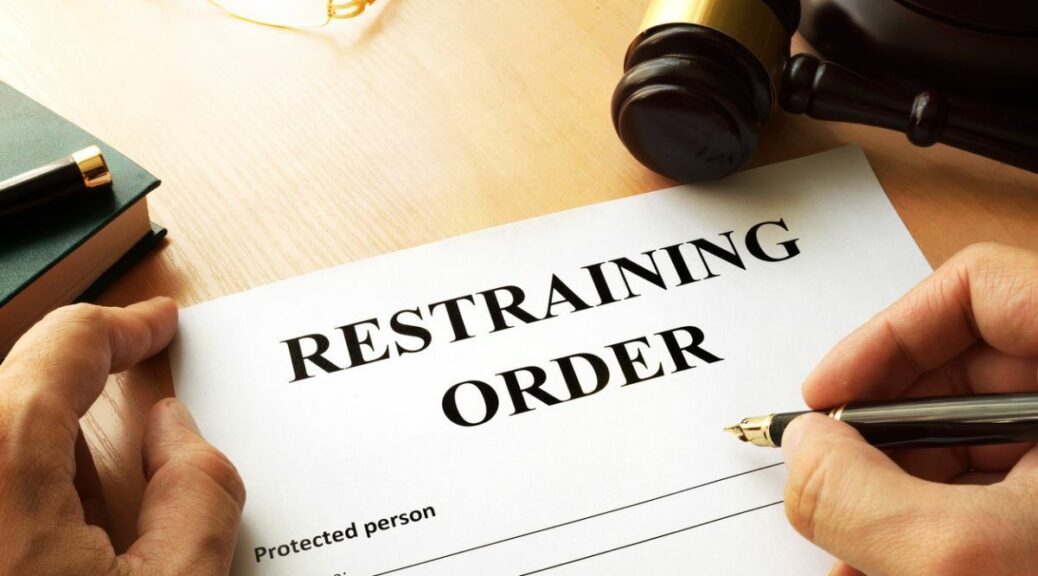
A restraining order is a legal document that orders one person to stay away from another person. The person seeking protection can apply for a restraining order through the court. It is possible to be on the receiving end of a restraining order even if you have not been convicted of a crime. If you are facing a restraining order in California, you may wonder how it will affect your record and future opportunities. This blog post will outline a California restraining order’s impact on your record and provide strategies to help you remove or modify the order.


What is a California Restraining Order, and How Does it Affect Your Record?


A California restraining order is a legal order issued by a court that requires someone to stop certain activities. These activities may include stalking, harassment, or abuse. The restraining order can restrict a person from contacting, coming near, or threatening the victim. A restraining order may also order a person to move out of their home or attend counseling.


A restraining order is not a criminal conviction but a court order. It will show up on your record and can impact future employment opportunities. Restraining orders can be temporary or permanent and issued on an emergency or non-emergency basis.


The Effects of Having a Restraining Order on Your Criminal Record


A restraining order is not a criminal charge, but it can negatively impact your criminal record. A California restraining order will appear on your record as a civil restraining order. However, if you violate the order, you can be charged with a crime. Violating the order can lead to misdemeanor or felony charges, depending on the circumstances. It is important to consult with a California restraining order attorney to understand the potential impact on your specific case.


Impact of Having a Restraining Order on Future Employment Opportunities


Having a restraining order on your record can impact future employment opportunities. It does not necessarily mean you cannot find future employment. However, it may prevent you from getting certain jobs. Employers often conduct background checks to ensure their employees are trustworthy and reliable. A restraining order could be viewed as a red flag and may impact your ability to get hired.


Restraining orders can create a negative perception of you and your character. Employers may view you as someone who has committed domestic violence or harassment. However, it is important to remember that having a restraining order on your record does not mean you were convicted of a crime.


Strategies to Help You Remove or Modify a Restraining Order in California


If you have a California restraining order on your record, you may be wondering if it is possible to remove or modify it. The good news is that it is possible to request a modification or removal of a restraining order. However, it is crucial to have an experienced California restraining order attorney on your side.


The process of removing or modifying a restraining order can be complicated. A restraining order can only be removed or modified if the person who requested the order agrees to do so or if circumstances change. It is essential to provide evidence that the modification or removal is necessary in these situations.


How to Handle the Impact of Having a Restraining Order on Your Record


If you have a restraining order on your record, there are steps you can take to mitigate the potential impact. First, be transparent with your potential employers. Explain the situation and the reasons behind the restraining order to provide context. Being honest about the situation can help explain the circumstances and show maturity.


Secondly, it may be wise to seek counseling. Counseling can help you understand the reasons behind the restraining order and work through any challenges you may be experiencing. It can also show potential employers that you are taking steps to improve yourself and better your situation.


If you are facing a restraining order, it is crucial to consult with an experienced California restraining order attorney. At the Law Offices of Judy L. Burger, we have experience handling restraining orders, and we will make sure you are represented in the best way possible. Contact us to schedule an appointment. 

pet custody

What Happens to Your Pet During a California Divorce?

Pets are beloved family members for many people, and divorce can be challenging for everyone involved. This is especially true when it comes to pets. California family law treats pets differently than other marital assets, and it is important to understand the legal implications of separating from your partner when you have a furry friend. This blog post will take a closer look at how California divorce laws treat pets and provide some practical advice on what you can do to ensure your pet’s best interests are always taken into account.


An Overview of How California Divorce Laws Treat Pets


In California, pets are considered “property” during a divorce. This means that they are subject to the same distribution laws as other assets, such as a car or house. However, there is one essential difference: pets are living beings that require care and attention. Unlike other property items, judges don’t have the authority to divide pets in half if couples can’t agree on what to do with them. Instead, the responsibility falls on the court to decide who will retain custody of the pet after the divorce is final.


Property vs. Custody – What’s the Difference for Pets in a Divorce Case


As mentioned before, in a divorce case, pets are treated differently than other assets. When determining what happens to a pet, judges don’t award “custody” like they would for children. Instead, they grant “possession.” This means that one party will be authorized to keep the pet, and the other party will not have any legal rights to demand visitation or other input. It is also worth noting that pets are not subject to child support obligations, and judges don’t assess financial payments to the party that retains possession.


Understanding the Role of Pet Agreements in California Divorces


Pet agreements are a vital part of any divorce proceeding where pets are involved. These agreements are essentially legal documents laying out arrangements for the care and custody of pets during and after the divorce is final. A couple can use pet agreements to help avoid pet disputes and provide guidelines for responsibilities like taking pets to the vet and feeding them. California courts will typically enforce pet agreements, so it’s essential to ensure you create one that is in your pet’s best interests.


Factors Used to Determine the Best Interests of Your Pet During a Divorce


When determining your pet’s best interests during a divorce, a court considers several factors. Some of the things that judges consider include but are not limited to, who has been the pet’s primary caregiver, the emotional attachment of each party to the animal, and the stability of the pet’s living environment. Judges may also look at whether either party has a history of animal cruelty or neglect. When discussing your pet’s future during the divorce proceedings, it is essential to highlight these factors.


What You Can Do to Secure Your Rights to Your Pet in a Divorce 


One of the essential steps you can take to secure your rights to your pet during a divorce is to demonstrate the love, care, and attention you give to your pet. This will help you build a case that can appeal to the court while safeguarding your pet’s welfare. Another thing you can do is document all aspects of your pet’s care in detail, such as veterinary bills, grooming schedules, and the emotional bond between you and your pet. These documents will show the court what is in the pet’s best interest and help the court make a fair decision.


Divorce proceedings and pet custody can be a complex process; hence, it is essential to involve a competent California family law attorney and advocate for your interests. At the Law Offices of Judy L. Burger, we specialize in family law, including divorce, child custody, and pet custody. We have successful experiences in handling various divorce and pet custody cases. Our dedicated attorneys are committed to walking with you every step of the way, providing legal guidance, support, and unmatched representation. Contact us to schedule an appointment. 

divorce papers

What to Do if Your Spouse Won’t Sign the Divorce Papers

Divorce is never easy, especially if your spouse is uncooperative. One of the most significant issues that can cause a delay in the divorce process is when one party refuses to sign the papers. This can be frustrating and stressful, but there are steps you can take if you find yourself in this situation. In this blog post, we will discuss what to do if your spouse won’t sign the divorce papers in California.


Understand Your State’s Divorce Laws


The first thing you need to do is research the divorce laws in California. In most cases, they require both parties’ signatures for the divorce to be valid. However, there are some exceptions to this rule. For example, if they can’t locate your spouse, or if the spouse does not respond, you may proceed with the divorce without their signature. It’s essential to understand the requirements in your state before proceeding with the next steps.


Consult with an Experienced Lawyer


It’s always a good idea to consult with an experienced divorce lawyer before taking any legal action. They can provide you with guidance and help you understand your options. They may also have strategies to help convince your spouse to sign the papers. If you and your spouse can’t agree, your lawyer can help you prepare for court proceedings and get the divorce finalized.


Communicate Clearly


Communicating clearly is the first step to dealing with a spouse who won’t sign the divorce papers. Openly discuss why you want a divorce and explain why you feel it is warranted, even if they disagree. It’s essential to be as transparent as possible to help them understand why divorce is necessary. If there are specific issues to address, try to compromise and find common ground.


Offer Options


It’s important to remain calm and patient with your spouse as you work through the divorce process. Keep in mind that everyone is different, and sometimes people need time to come around to the idea of divorce. Offer your spouse different options for proceeding with the divorce, such as using an experienced family lawyer for mediation. This can help to ease some of the tension and make the process less antagonistic.


Consider Alternative Dispute Resolution Methods


If communication fails and negotiations break down, consider mediation or arbitration as an option for resolving issues outside of court. This can be a cost-effective method for resolving disputes between spouses when traditional negotiations or counseling have not worked. Mediation is voluntary, confidential, and private and can assist with facilitating agreements between couples to settle any divorce-related issues without court intervention. 


File with the Court


Take the necessary steps to file with the court, even if your spouse won’t sign, as long as you meet all other legal requirements according to your state’s law. In California, your spouse has 30 days to file a response to your petition. If they do not respond within 30 days, you can file a Request to Enter Default, giving you the right to finalize the divorce without your spouse’s signature.


If you are going through a divorce in California and your spouse won’t sign the divorce papers, it’s vital to seek out an experienced family lawyer who can help you through the process. At the Law Offices of Judy L. Burger, our team of experienced family law attorneys can help you with alternative dispute resolution methods and other legal options. Contact us today to schedule a private appointment. 


out of state

Can You Move Out of State With Your Kids After a Divorce in California?

Divorce is a difficult process, and things can become even more complicated when children are involved. One of the biggest challenges can be deciding where the children will live and how custody and visitation will be structured. For some divorced parents, the idea of moving out of state with their kids may be appealing. They may want to be closer to family, start a new job, or begin a new chapter in their life. However, before taking any steps, it is important to understand the legal considerations and potential roadblocks that could arise. This blog post will explore what you need to know about moving out of state with your children after a divorce in California.


What to Consider Before Moving Out-of-State with Your Kids After Divorce


First and foremost, it is essential to consider the best interests of your children. Will moving out of state mean they will be farther away from the other parent? Will it disrupt their school or extracurricular activities? Additionally, if you have a custody and visitation agreement in place, you will need to review it to see if there are any restrictions on moving. It would help if you also considered the cost of living in the new state, job opportunities, and the availability of support systems. It is a big decision that requires careful thought and consideration.


Potential Roadblocks that Could Prevent You from Moving Out of State with Your Children


Even if you believe that moving out of state is in your children’s best interests, several potential roadblocks could arise. For example, the other parent may object to the move and file a motion with the court to prevent it. Additionally, there may be a provision in your custody and visitation agreement that prohibits you from moving out of state without the other parent’s consent. Finally, if you are in the process of getting a divorce, the court may require you to remain in California until the divorce is finalized.


What Happens if the Other Parent Objects to You Moving Out of State?


If the other parent objects to your proposed move, you will need to go through a legal process to get permission from the court. This may involve attending a hearing and presenting evidence as to why the move is in the children’s best interests. The court will consider factors such as the reasons for moving, the impact on the children, and the availability of visitation opportunities for the other parent. You will need to work with an experienced California family lawyer who can guide you through this process.


The Process of Getting Permission From the Court to Move Out-of-State with Your Kids


If you are seeking to move out of state with your children, you must file a request for a move-away order with the court. This request should include information about the proposed move, the reasons for it, and how it will benefit the children. You may also need to include a parenting plan that outlines how the other parent can maintain a relationship with the children. Once filed, the other parent will have an opportunity to object to the request, and the court can schedule a hearing. 


What You Need to Do Once You Have Gained Permission to Move Out-of-State


If the court grants your request and gives you permission to move out of state, you will need to update your custody and visitation agreement accordingly. This may involve negotiating a new agreement with the other parent and submitting it to the court for approval. Additionally, it would help if you considered practical matters such as finding a new home, registering the children for school, and establishing new support systems.


If you are considering moving out of state with your children after a divorce, it is essential to work with a skilled and experienced California family lawyer who can guide you through the legal process. At the Law Offices of Judy L. Burger, we are committed to helping families find solutions that work for everyone involved. Contact us today to schedule a consultation and learn more about how we can help.

community or separate property

How to Determine Whether an Asset is Separate or Community Property

Divorce is not always straightforward, especially when property division becomes involved. In California, property division is based on separate and community property, but determining which assets fall into each category can become complicated. This blog post will discuss the difference between separate and community property, what makes an asset separate or community, and provide examples of each. We also discuss when to seek professional help from a California property division lawyer to ensure fair asset allocation in a divorce settlement.


Defining Separate and Community Property


Separate property is any assets acquired prior to marriage or after legal separation. These assets are typically owned and controlled solely by one spouse and are not subject to division during divorce proceedings. Community property refers to assets acquired during the marriage, including income, property, and debt, which are considered owned equally by both spouses.


What is the Difference between Separate and Community Property in a Marriage?


The critical difference between separate and community property is the degree to which each spouse has legal ownership and control. Separate property remains under one spouse’s sole ownership and control, whereas both spouses have an equal right to control community property. In the event of a divorce, separate property assets belong exclusively to the spouse who owns them, while community property assets are divided equally between the divorcing spouses.


When Does an Asset Become Separate or Community Property in California?


The general rule is that property acquired during a marriage is community property, while property acquired before marriage or after legal separation is separate property. However, certain factors can complicate this standard. For example, property acquired with separate property funds during the marriage can become community property. Similarly, a business started before marriage can become community property if it grows and increases its value during the marriage.


Examples of Separate Property in a Marriage


Examples of separate property include assets owned before marriage, inheritances or gifts received during the marriage from an individual to one spouse, personal injury settlements awarded to one spouse, and property purchased with separate funds during the marriage.


Examples of Community Property in a Marriage


Examples of community property include homes, vehicles, debt, bank accounts, investments, businesses, and retirement benefits datable during marriage.


Gifting Between Spouses – Is it Separate or Community Property?


Gifts between spouses are considered separate property and are generally not subject to division during divorce proceedings. However, gifts are often complicated by the property’s source and each spouse’s intent.


When to Seek Professional Help for Determining Separate vs Community Property


Determining which assets are separate or community property can become challenging, especially if the couple owned a business, real estate, stocks and bonds, or other investment assets. Moreover, when a divorce becomes increasingly contentious, dividing property and assets fairly can be challenging. If you suspect that your spouse may be hiding or concealing assets or are concerned about property division, seeking a knowledgeable California property division lawyer for assistance is highly advisable.


At the Law Offices of Judy L. Burger, we specialize in family law, including property division. Our California property division lawyers have a proven track record of representing clients dealing with complex assets and valuations. We understand the stress and emotional turbulence often associated with divorce proceedings, and we are dedicated to helping our clients navigate the property division process. You can trust our knowledge and expertise to ensure a fair property division settlement. Contact us today to schedule a private appointment. 

property division

How Does Property Division Work When Getting a Divorce in California?

Divorce can be an emotional and challenging experience. It can be even more complicated when dividing assets and property. Property division can vary from state to state, and California is no exception. This blog post will explore the basics of property division in California divorce cases, including what constitutes marital and separate property, community property, and how complex property division can be in California law cases. 


The Basics of Property Division in California Divorce Cases


In California, property division in divorce follows the principle of community property, which is where all assets and debts accrued during the marriage are equally owned by both spouses. This means it’s a 50-50 split. However, there are exceptions to this rule. Gifts or inheritances given specifically to one spouse or property owned before the marriage or after separation are not included in the split and are considered separate property. 


Defining Marital and Separate Property


When distinguishing between marital and separate property, it’s important to know some key differences. Marital, or community, property is typically everything that you and your spouse acquired or earned during the marriage. This can range from everything from the house you bought together, the income you both earned, to the debts accumulated during this period. On the other hand, separate property includes any assets or debts that one spouse acquired before the marriage, during the marriage as a gift or inheritance specifically to them, or after separation. Furthermore, any property that the spouse declares to be separate property is also considered as such. So, the key differences are the timing and the specific circumstances under which the property was acquired.


What is Community Property, and How Does it Get Split in a Divorce Case?


As mentioned earlier, community property comprises all assets and debts acquired during the marriage. This includes income, assets purchased by either spouse during the marriage, stock options, retirement accounts, and real estate purchased during the marriage. In most cases, community property is divided equally between the spouses, but the court will also consider factors such as each spouse’s earning capacity, their contribution to property acquisition, and their financial needs. 


How Complex Can Divorce Property Division Be in California Law Cases


The complexity of property division in California can depend on the nature of the assets involved. Valuing and dividing real estate, business interests, investments, and retirement accounts can be complex and require the assistance of financial experts. In some cases, the court may order the sale of assets to divide the value of community property equally. 


Strategies to Help Make the Process Easier


Divorce and property division can be stressful and emotionally draining. Here are some strategies to help make the process easier: 


  • Hire an experienced attorney who specializes in divorce cases and is knowledgeable about California’s property division laws.
  • Gather and organize all financial documents and records, including tax returns, bank statements, and investment account summaries.
  • Consider alternative dispute resolution methods like mediation or collaborative divorce, which can help avoid going to court and reduce costs.
  • Be willing to negotiate and compromise with your spouse. Divorce is never easy, but it helps to be open-minded and willing to work towards a mutually beneficial agreement.


Divorce and property division can be complex and emotionally draining. At the Law Offices of Judy L. Burger, we have experienced divorce attorneys specializing in California’s property division. Our team is knowledgeable about California family law and will help ensure a fair distribution of assets. We also offer various dispute resolution methods, making the process as stress-free as possible for our clients. Contact us today to schedule a private appointment.